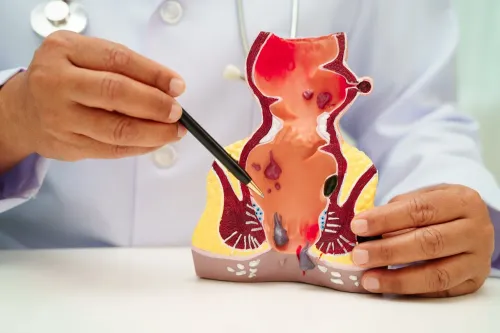
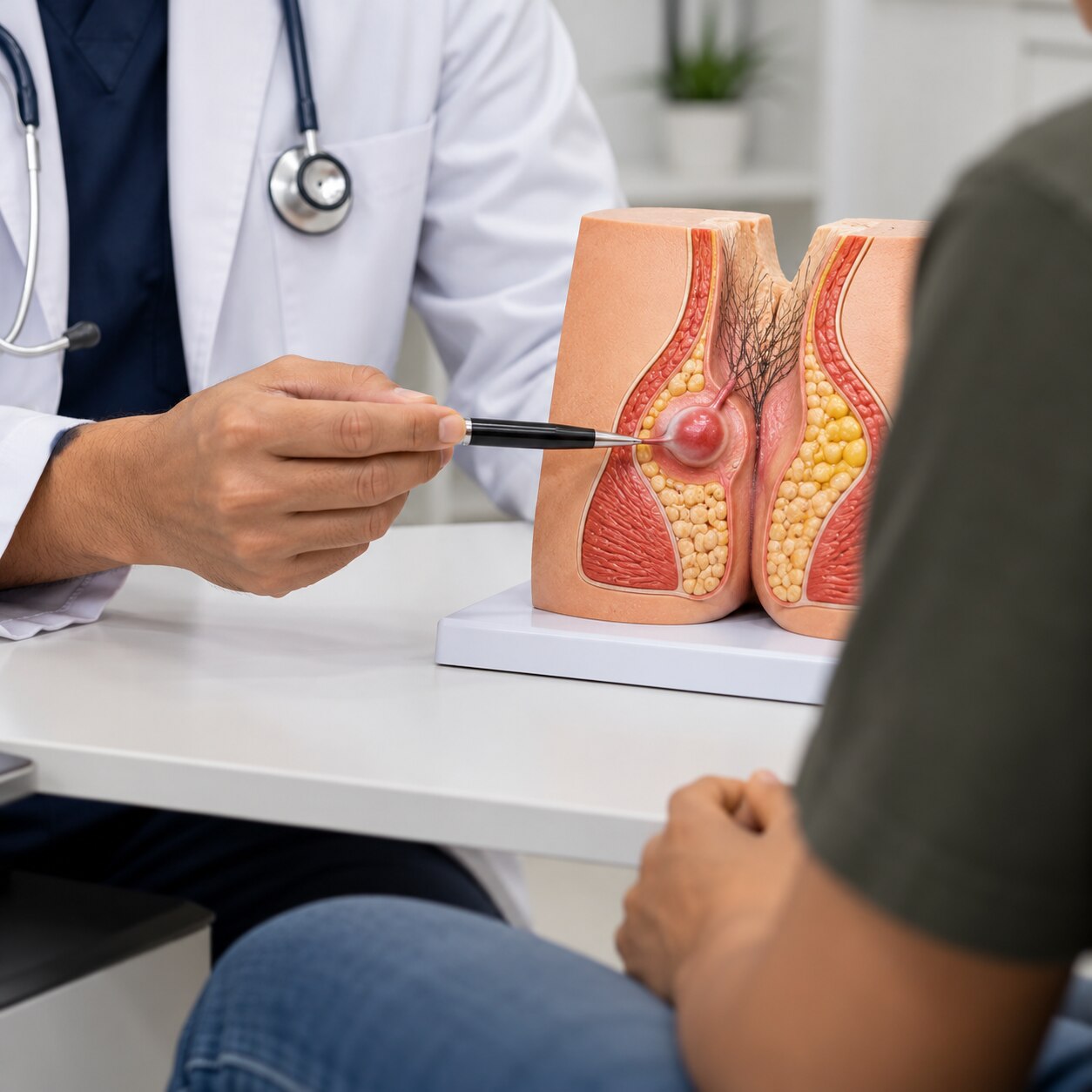
Repeated swelling or drainage near the tailbone can mean that an earlier abscess was drained but a chronic sinus tract remains. By the end, you will know how pilonidal laser ablation works, which recurrent cases it suits, when another operation is safer, and what reduces the risk of another episode.
Key takeaways
- Confirm whether you have an abscess, draining sinus, or recurrent tract.
- Laser ablation suits selected, non-acute recurrent sinuses after clinical assessment.
- Compare healing time, wound size, recurrence risk, and surgeon experience.
- Keep the cleft clean and dry, and follow hair-management advice after treatment.
Is the problem an abscess, a draining sinus, or a recurrent tract?
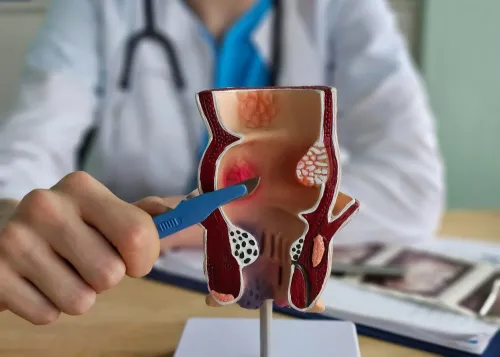
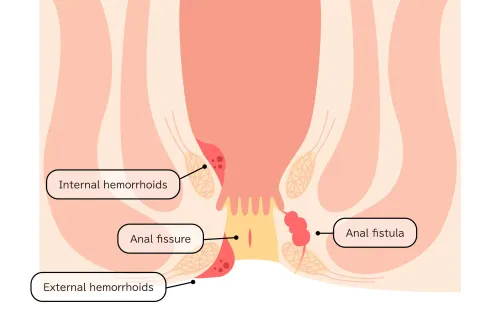
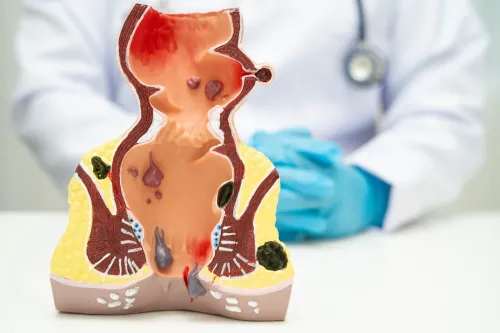
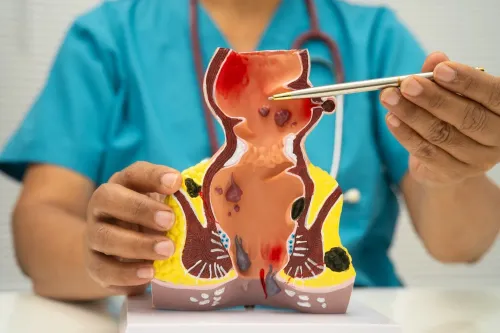
A pilonidal cyst is a cavity beneath the skin in the natal cleft, often linked to hair and debris entering a small pit. A pilonidal sinus is the channel connecting that cavity to one or more skin openings.
It becomes a pilonidal abscess when bacteria infect the cavity and pus builds up, causing painful swelling, redness, and sometimes fever.
| Finding | What it means | Typical clue |
|---|---|---|
| Pilonidal cyst | A cavity under the skin | Lump or tender area without active drainage |
| Pilonidal abscess | An acutely infected, pus-filled cavity | Rapid pain, warmth, swelling, or fluctuance |
| Draining sinus tract | A persistent channel from deeper tissue to the skin | Repeated fluid, pus, or blood from a small opening |
| Recurrent disease | Pilonidal disease returning after treatment | New drainage, swelling, or pits after apparent healing |
Incision and drainage can empty an abscess but does not necessarily remove every sinus branch. Excision can remove visible diseased tissue yet leave a small midline opening, a side branch, or a sealed pocket beneath the scar.
Friction, sweating, wound breakdown, and hair entering the cleft can reopen that route; hair and debris then collect inside it and restart inflammation.
A recurrent draining sinus tract is not automatically a large abscess. A clinician must assess the number of pits, the tract’s length and direction, surrounding infection, and previous scars before choosing treatment.
Laser ablation targets a cleaned tract through a small access point; it is different from laser hair removal and cannot prevent new pits from forming. A large, fluctuant abscess needs drainage first.
What happens during pilonidal sinus laser ablation?
Laser ablation of a pilonidal sinus usually uses a tiny access point to clean and seal an existing tract; it does not remove the whole cleft or guarantee that new pits will not form.
1. The clinician identifies every visible midline pit, secondary opening, and draining point. Missing one opening can leave a side channel untreated.
2. After local or regional anaesthesia, a fine probe or small camera examines the tract’s direction, length, branches, and cavity.
3. Hair, pus, dead tissue, and inflammatory debris are removed through the opening. This sinus tract cleaning is essential because laser energy cannot reliably treat a tunnel packed with material.
4. A narrow laser fibre passes through the small access point. Controlled laser energy heats the tract lining, causing treated tissue to contract, scar, and seal.
5. The surgeon decides whether to leave the access opening open for drainage and gradual healing or close it with a stitch. The choice depends on contamination, cavity size, drainage, and the condition of the surrounding skin.
Pilonidal cyst laser treatment is not the same as laser hair removal. Laser ablation targets the sinus tract beneath the skin; laser hair removal targets hair follicles in the cleft and requires separate sessions. Hair reduction can support prevention for selected patients, but it does not seal an existing tract.
Ablation closes treated tissue, not the underlying tendency to develop midline pits. New hair can still collect in the cleft, enter another opening, and create recurrent disease.
Which recurrent pilonidal cases are suitable for laser treatment?
Laser treatment suits recurrent pilonidal disease when the problem is a small, defined sinus rather than a large cavity or widespread scarred network. Patient selection should confirm the diagnosis, map every pit and tract, and review previous drainage, excision, or flap surgery.
Suitable features include:
- A limited number of pits, usually clustered near the midline
- A short, clearly traceable tract
- Manageable midline disease with little surrounding inflammation
- No large active abscess
- Limited involvement of nearby skin and soft tissue
A large, fluctuant acute pilonidal abscess needs incision and drainage first. Laser ablation cannot empty a tense pus-filled cavity reliably; leaving it undrained can prolong infection and pain. Definitive treatment of the remaining sinus is assessed after the acute inflammation settles.
The pattern of disease determines whether laser is sensible:
| Pattern | Usual implication | Why |
|---|---|---|
| Limited midline tract | Laser may be considered | Small tissue burden is accessible through a minor opening |
| Branching sinus tracts or lateral disease | Wider excision or flap reconstruction may be needed | Treating one pit can leave side branches behind |
| Severe infection or a large abscess | Drainage first | Laser does not replace source control |
| Uncertain diagnosis | Further examination, imaging, or biopsy may be needed | A different condition can mimic pilonidal disease |
| Major tissue loss or repeated failed procedures | Excision with off-midline flap may be preferable | Scarred, weakened tissue needs durable coverage |
A surgeon should also explain the fallback plan if laser fails.
How does laser treatment compare with other pilonidal procedures?
Laser ablation removes or seals a defined sinus through a small access point, so it usually sacrifices less tissue and creates less open-wound care than excision. That advantage must be weighed against less mature evidence and the possibility that hidden branches remain untreated.
| Procedure | Main role | Key limitation or trade-off |
|---|---|---|
| Incision and drainage | Opens and drains an acute abscess | Relieves pressure and infection but does not remove every chronic tract or prevent recurrence |
| Pit-picking | Removes selected pits and nearby diseased tissue | Suits limited disease; misses extensive branching or lateral tracts |
| Endoscopic pilonidal sinus treatment | Uses a camera to inspect the tract and remove hair and inflammatory material | Related to laser treatment, but visualization is not the same as laser ablation; evidence for one does not automatically prove the other |
| Laser ablation | Delivers laser energy into a cleaned, defined tract | Leaves little tissue loss, but persistent drainage or recurrence can be less obvious at first |
| Wide excision with open healing | Removes the sinus and surrounding tissue, leaving the wound to heal gradually | Requires prolonged dressing care and exposes a larger healing surface |
| Karydakis flap surgery or Limberg flap | Removes complex disease and shifts the closure away from the midline | More extensive surgery, but better suited to major tissue loss, lateral disease, or repeated recurrence |
A fluctuant abscess needs incision and drainage before definitive sinus treatment; laser is not a substitute. Pit-picking or endoscopic pilonidal sinus treatment can suit limited disease, while extensive or repeatedly recurrent disease may need Karydakis flap surgery or another off-midline flap. Recovery may be quicker after laser, but quicker recovery does not mean permanent cure.
What lowers the chance of recurrence after laser treatment?
After ablation, pilonidal sinus recurrence means drainage, swelling, pain, or a new sinus returns because the disease was not fully eliminated or new disease formed. A missed side branch, incomplete cleaning of hair and debris, or a persistent midline pit can leave an entry point for further contamination.
Laser seals treated tissue; it does not prevent new pits.
Risk also rises when obesity deepens the cleft, prolonged sitting keeps pressure on the area, or friction and sweating soften the skin. Poor pilonidal wound care can delay healing and allow infection. Later, a new hair-filled pit can create another tract even after the original cavity has healed.
To lower the chance of recurrence:
- Keep the natal cleft clean and dry; follow the dressing and washing instructions provided.
- Reduce prolonged sitting and pressure, and choose clothing that limits rubbing and trapped sweat.
- Follow an individualized hair-management plan. Hair removal supports treatment but cannot replace cleaning and ablation of an established sinus.
- Attend scheduled reviews, especially after previous recurrence, because a small wound can hide incomplete treatment.
Seek examination for persistent drainage, swelling, increasing pain, or a new lump rather than assuming these signs are normal healing. At Shree Hospital - 08048060809, a specialist consultation should review previous operations, flap scars, disease extent, alternatives such as pit-picking or flap reconstruction, and the plan if laser treatment fails.
Frequently asked questions
How can you tell an abscess from a draining sinus or recurrent tract?
An abscess is a painful, swollen pocket of infection. A draining sinus has a skin opening that releases fluid or pus. A recurrent tract is a sinus that returns after previous treatment or continues to branch beneath the skin.
What happens during pilonidal sinus laser ablation?
The surgeon identifies and cleans the sinus openings and tract, then uses a laser fibre to deliver controlled heat inside the tract. The aim is to close the channel while limiting the surrounding wound.
Which recurrent pilonidal cases are suitable for laser treatment?
Laser treatment is considered for selected recurrent, non-acute sinuses after examination. A large abscess, extensive branching disease, or severe infection may require drainage or another operation first.
How does laser treatment compare with other pilonidal procedures?
Laser ablation usually involves a smaller wound than wide excision, while flap surgery may suit extensive or repeatedly recurrent disease. Compare wound care, recovery, recurrence risk, and the surgeon’s experience.
What lowers the chance of recurrence after laser treatment?
Follow wound-care instructions, keep the natal cleft clean and dry, reduce friction and prolonged pressure, and follow the recommended hair-management plan. Return promptly if pain, swelling, fever, or drainage develops.