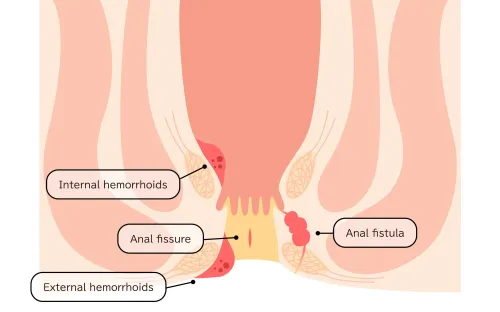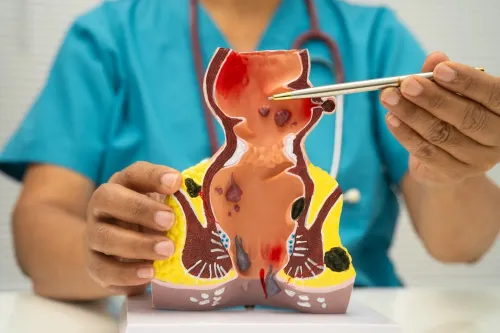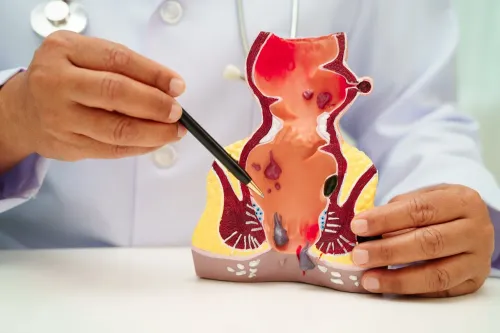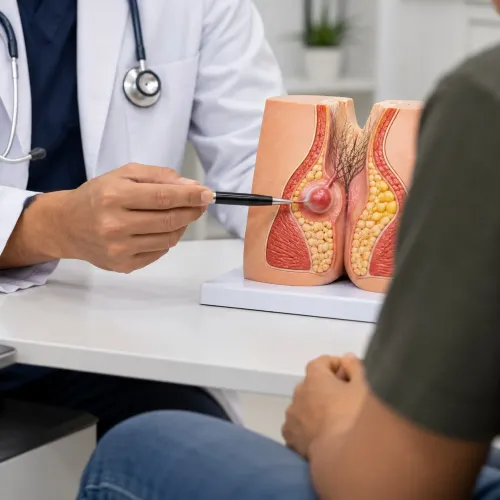

An anal fissure is a small tear in the lining of the anal canal, but the pain it causes can be much greater than its size suggests. Many people initially mistake the discomfort for piles and try home remedies for weeks or even months. While some fissures heal with lifestyle changes and medication, others become chronic and require advanced treatment. Understanding when laser treatment is recommended can help prevent prolonged pain and recurring symptoms.
People looking for Fissure Laser Treatment in Nashik are often searching for a solution that offers quicker recovery and less discomfort than conventional surgery. Before deciding on any procedure, it is important to understand how fissures develop and what treatment options are available.
What causes an anal fissure?
Most fissures occur due to excessive strain during bowel movements. Passing hard stools, chronic constipation, persistent diarrhea, or repeated irritation can create a small tear in the delicate lining of the anal canal.
Common risk factors include:
- Low-fiber diet
- Inadequate water intake
- Sitting for prolonged periods
- Pregnancy and childbirth
- Chronic digestive disorders
- Repeated constipation
Although anyone can develop an anal fissure, adults with irregular bowel habits tend to experience it more frequently.
Common symptoms to watch for
An anal fissure usually presents with distinctive symptoms that should not be ignored.
These may include:
- Sharp pain during bowel movements
- Burning sensation that continues afterward
- Bright red blood on toilet paper
- A visible tear near the anal opening
- Itching or irritation around the anus
- Fear of passing stools because of severe pain
When symptoms continue for more than six weeks despite medication, the fissure is generally considered chronic.
Can a fissure heal without surgery?
Yes. Many acute fissures improve with conservative treatment.
Doctors often recommend:
- Increasing dietary fiber
- Drinking more water
- Warm sitz baths
- Stool softeners
- Prescription ointments that relax the anal muscles
- Temporary pain-relieving medications
These measures help reduce pressure on the affected area, allowing the tear to heal naturally.
However, if symptoms continue or keep returning, additional treatment may be necessary.
When is laser treatment considered?
Laser treatment is generally considered when:
- Pain remains severe despite medication
- The fissure becomes chronic
- Recurrent fissures affect daily life
- Scar tissue prevents proper healing
- Muscle spasm continues to delay recovery
Laser procedures are designed to reduce muscle tightness and promote healing while minimizing tissue damage.
Patients in Nashik increasingly inquire about laser procedures because they are associated with smaller incisions, reduced bleeding, and faster recovery compared to traditional techniques. However, suitability depends on an individual clinical evaluation.
Benefits often associated with laser treatment
Although every patient is different, laser-based procedures may offer several advantages.
These include:
- Minimal tissue trauma
- Reduced bleeding
- Lower postoperative discomfort
- Shorter hospital stay
- Faster return to daily activities
- Smaller surgical wounds
It is important to remember that recovery also depends on maintaining healthy bowel habits after the procedure.
Recovery after laser fissure treatment
Most patients are encouraged to resume light daily activities within a short period, depending on medical advice.
Recovery generally includes:
- Following prescribed medications
- Consuming a fiber-rich diet
- Drinking adequate fluids
- Avoiding excessive straining
- Maintaining good hygiene
- Attending scheduled follow-up visits
Ignoring dietary advice after treatment may increase the chances of recurrence.
How can fissures be prevented?
Simple lifestyle changes often reduce the risk of developing another fissure.
Helpful habits include:
- Eat fresh fruits and vegetables daily.
- Include whole grains in meals.
- Stay physically active.
- Drink sufficient water.
- Avoid delaying bowel movements.
- Treat constipation promptly.
These measures support long-term digestive health and reduce pressure on the anal canal.
Choosing appropriate medical care
Persistent anal pain should never be ignored or self-diagnosed. Conditions such as piles, fistula, infections, or inflammatory bowel disease can produce similar symptoms. A proper examination helps identify the exact cause and ensures the most suitable treatment plan.
For patients exploring Fissure Laser Treatment in Nashik, consulting an experienced proctology team can help determine whether conservative care or laser intervention is the right option. At Shree Hospital, patients undergo a detailed assessment before treatment recommendations are made, helping them understand the available options based on their individual condition rather than assuming surgery is always necessary.
Keywords