
Pain during or after passing stools is often ignored until it begins affecting everyday life. Many people assume the problem is piles and try home remedies without knowing the actual cause. In reality, an anal fissure is a common condition that can cause severe discomfort, bleeding, and fear of bowel movements. If you're searching for Fissure Treatment in Nashik, understanding the available treatment options can help you decide when it's time to seek professional care.
Understanding an anal fissure
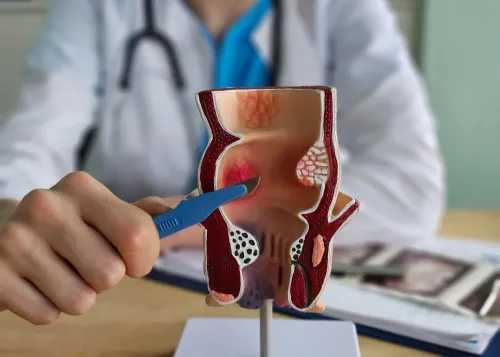
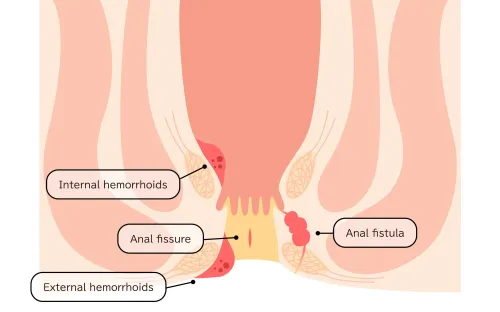
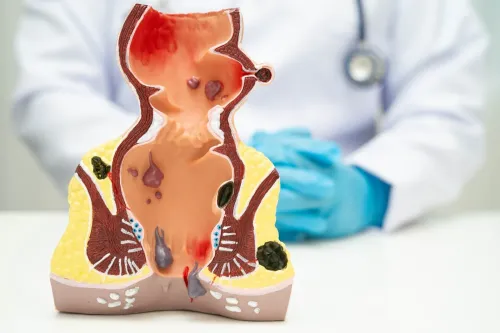
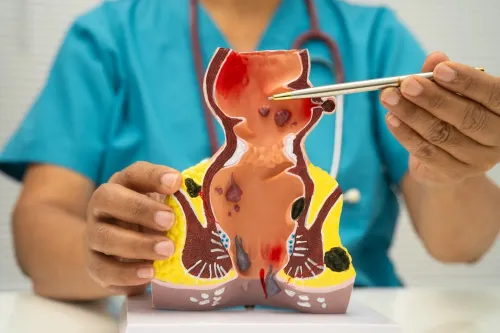
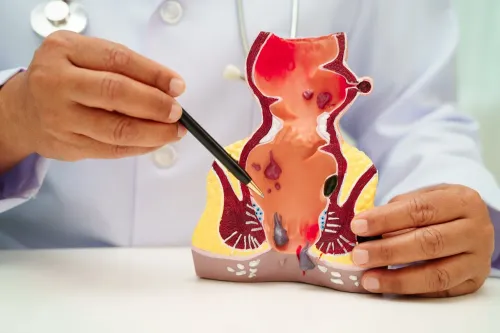
An anal fissure is a small tear in the lining of the anal canal. Although the tear may be tiny, it can expose sensitive nerve endings, making bowel movements extremely painful.
The condition is usually caused by:
- Passing hard stools
- Chronic constipation
- Frequent diarrhea
- Excessive straining
- Childbirth in some women
- Increased muscle tension around the anal canal
Most acute fissures heal with proper treatment, but delaying care can lead to chronic fissures that require advanced management.
How do you know if you have a fissure?
While only a medical examination can confirm the diagnosis, common symptoms include:
- Sharp pain during bowel movements
- Burning sensation that lasts for several minutes or hours
- Bright red blood on toilet paper
- A visible crack near the anus
- Itching or irritation around the anal area
- Avoiding bowel movements due to pain
Since these symptoms may also occur with piles or fistulas, self-diagnosis should be avoided.
Treatment depends on the stage of the fissure
Not every fissure requires surgery. Treatment is selected based on the duration of symptoms, severity, and response to previous medical care.
Conservative treatment
For newly developed fissures, doctors often recommend non-surgical management.
This may include:
- Increasing dietary fiber
- Drinking enough water
- Warm sitz baths
- Stool softeners
- Prescription ointments
- Pain-relieving medications
Many patients experience significant improvement within a few weeks when these measures are followed consistently.
Advanced treatment
If symptoms continue for several weeks or keep returning, the fissure may have become chronic.
In such cases, treatment options may include:
- Laser-assisted procedures for suitable patients
- Surgical intervention when clinically indicated
- Procedures to reduce muscle spasm and promote healing
The decision depends on individual clinical findings rather than symptoms alone.
Why treating constipation is equally important
One of the most common reasons fissures return is untreated constipation. Even after successful treatment, repeated passage of hard stools can reopen the healed area.
Doctors often advise patients to:
- Include fruits, vegetables, and whole grains in their diet
- Drink at least two to three litres of water daily
- Exercise regularly
- Avoid delaying bowel movements
- Reduce excessive straining
Healthy bowel habits support both recovery and long-term prevention.
Mistakes that can delay healing
Many patients unknowingly prolong recovery by following incorrect advice.
Common mistakes include:
- Using over-the-counter creams without diagnosis
- Ignoring bleeding for several months
- Depending only on home remedies
- Sitting continuously for long hours
- Stopping medicines too early
- Avoiding follow-up visits after improvement
Seeking timely medical advice can prevent the fissure from becoming chronic.
What should you expect during a consultation?
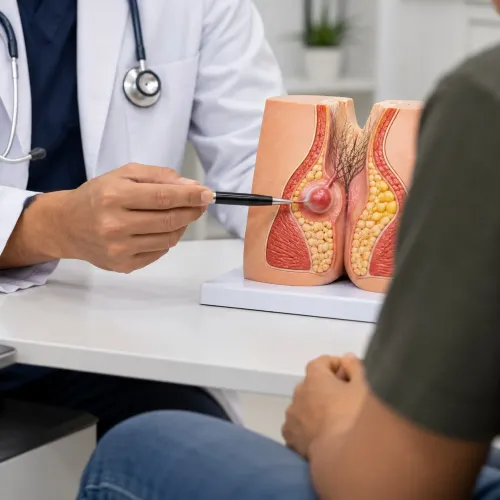
Patients are often anxious about consulting a proctologist. In most cases, the appointment begins with a discussion of symptoms, bowel habits, and medical history.
The doctor may perform a gentle examination and explain:
- Whether the fissure is acute or chronic
- Possible causes
- Suitable treatment options
- Expected recovery
- Preventive measures
A clear understanding of the condition helps patients participate confidently in treatment decisions.
Choosing fissure treatment in Nashik
When looking for Fissure Treatment in Nashik, choosing a healthcare provider that offers both conservative and advanced treatment options can be beneficial. Every fissure is different, and the best treatment depends on its severity, duration, and the patient's overall health.
At Shree Hospital, patients undergo a detailed evaluation before a treatment plan is recommended. The focus is on relieving symptoms, promoting proper healing, and helping patients adopt long-term lifestyle measures that reduce the chances of recurrence.
Keywords