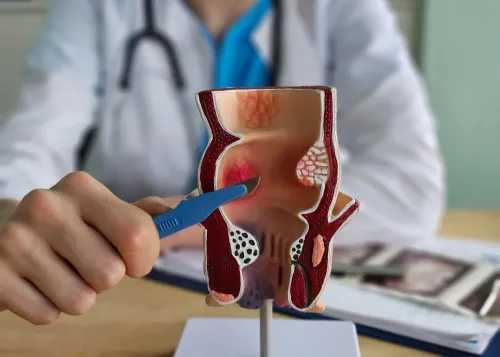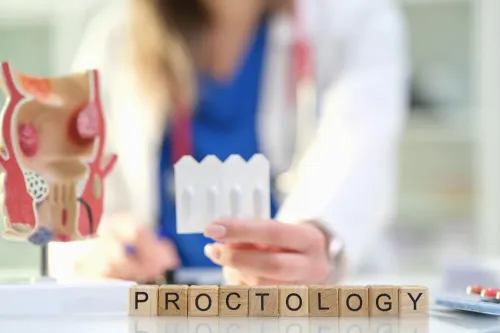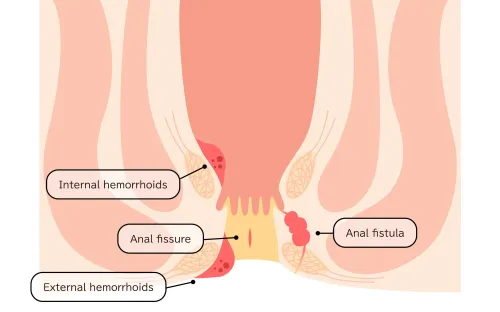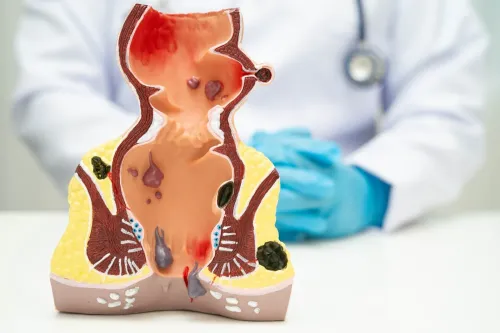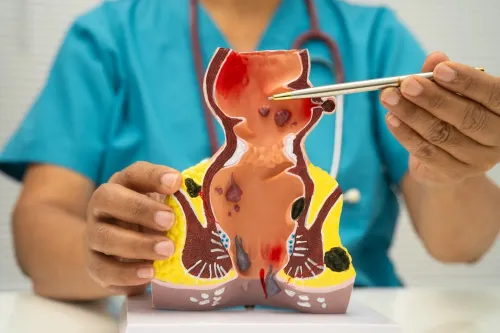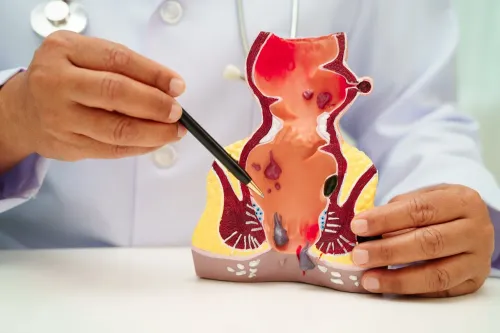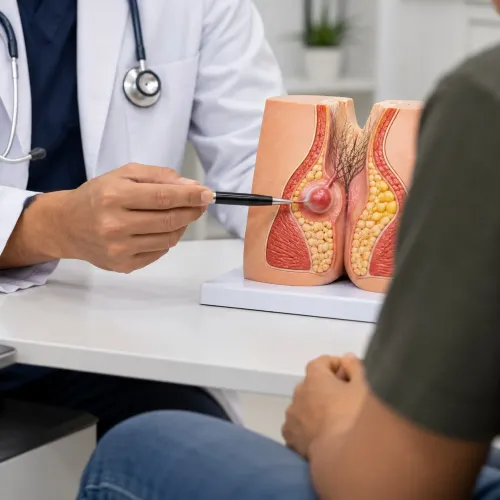

Problems such as piles, fissures, fistulas, and pilonidal sinus are more common than many people realize. Yet, because these conditions affect a sensitive part of the body, many patients postpone treatment due to embarrassment or fear. Delaying medical attention can allow symptoms to worsen, making treatment more complicated. If you are searching for the Best Proctologist in Nashik, knowing what to look for in a specialist can help you receive timely and appropriate care.
What does a proctologist treat?
A proctologist specializes in diagnosing and managing disorders of the rectum, anus, and surrounding tissues.
Common conditions treated include:
- Piles (hemorrhoids)
- Anal fissures
- Anal fistulas
- Pilonidal sinus
- Anal abscesses
- Rectal bleeding
- Chronic anal pain
- Certain colorectal disorders
Since many of these conditions produce similar symptoms, an accurate diagnosis is essential before starting treatment.
Signs that you should consult a proctologist
Many patients try home remedies first, but professional evaluation is advisable if symptoms persist.
Consult a specialist if you experience:
- Bleeding during bowel movements
- Persistent anal pain
- Swelling or lumps around the anus
- Recurring pus discharge
- Severe constipation with pain
- Difficulty sitting comfortably
- Symptoms lasting more than a few weeks
Early diagnosis often leads to simpler treatment and helps reduce the risk of complications.
Qualities to consider when choosing a proctologist
Selecting the right doctor involves more than choosing the nearest clinic.
Consider whether the specialist:
- Performs a detailed clinical evaluation
- Explains the diagnosis clearly
- Offers both non-surgical and surgical treatment options
- Discusses the advantages and limitations of each treatment
- Provides follow-up care
- Encourages lifestyle changes to prevent recurrence
A patient-centred approach helps build confidence and supports informed decision-making.
Why accurate diagnosis matters
Not all rectal bleeding is caused by piles.
Similarly:
- Sharp pain may indicate a fissure.
- Persistent discharge may suggest a fistula.
- Tailbone swelling could be a pilonidal sinus.
- Infection may present with redness and fever.
Treating symptoms without confirming the diagnosis may delay appropriate care.
Questions worth asking during your consultation
A productive consultation should help you understand your condition and the available treatment options.
Useful questions include:
- What is causing my symptoms?
- Do I need additional investigations?
- Can medicines treat my condition?
- Is laser treatment appropriate for me?
- What are the expected recovery timelines?
- How can I reduce the chances of recurrence?
Clear communication helps patients participate actively in their care.
The importance of comprehensive treatment
Successful management involves more than performing a procedure.
Long-term care often includes:
- Dietary guidance
- Hydration advice
- Constipation management
- Hygiene recommendations
- Regular follow-up
- Monitoring recovery
- Lifestyle modifications
Addressing these factors supports better long-term outcomes.
Why timely consultation is beneficial
Waiting until symptoms become severe can result in:
- Chronic fissures
- Larger piles
- Recurrent fistulas
- Repeated infections
- Increased discomfort
- More complex treatment
Seeking medical advice early often provides more treatment options and may reduce recovery time.
Choosing proctology care in Nashik
People searching for the Best Proctologist in Nashik are usually looking for more than symptom relief—they want an accurate diagnosis, appropriate treatment, and guidance that helps prevent future problems.
At Shree Hospital, patients receive a comprehensive assessment before any treatment recommendation is made. The approach includes understanding the patient's symptoms, identifying the underlying condition, and discussing conservative care, minimally invasive procedures, and surgical options based on individual clinical needs. This personalized approach helps patients make informed decisions about their treatment while focusing on long-term anorectal health.
Keywords