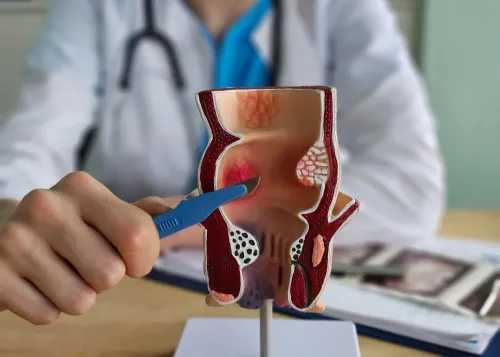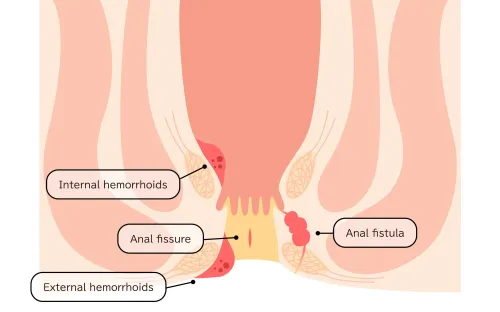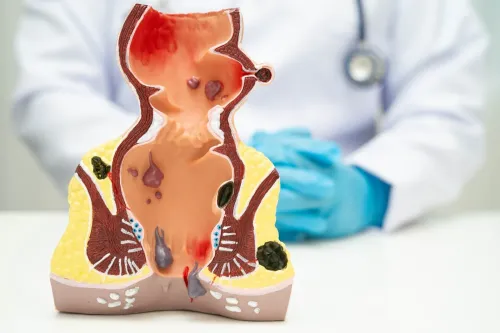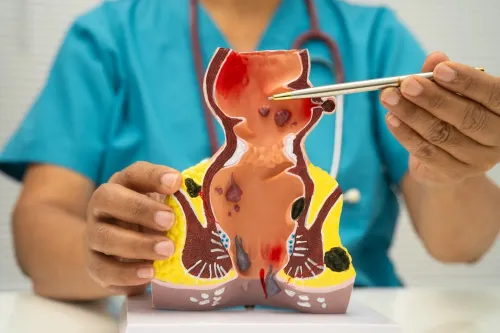
Choosing a Laser Anorectal Clinic involves more than finding a centre that owns laser equipment. Piles, fissures, fistulas, and pilonidal disease are different conditions, and even patients with the same diagnosis may require different treatment approaches.
For patients in Nashik, Maharashtra, comparing clinics on clinical assessment, surgeon experience, procedure selection, and follow-up can be more useful than choosing solely on advertising claims.
Start With the Quality of Diagnosis
A clinic should first determine exactly what is causing the symptoms.
Bleeding may be related to piles or a fissure, while pain and swelling may indicate an abscess or another anorectal problem. Persistent discharge can suggest a fistula.
Treatment should follow diagnosis rather than the other way around.
Be cautious when a particular procedure appears to be recommended before an adequate examination has taken place.
Ask Who Will Perform the Procedure
Technology does not replace surgical judgement.
Ask about the surgeon's qualifications, experience in anorectal surgery, familiarity with the proposed technique, and ability to manage alternative approaches if laser treatment is not appropriate.
This matters particularly for conditions such as anal fistula, where anatomy and sphincter involvement can significantly influence treatment planning.
Understand Why Laser Is Being Recommended
Laser technology can have a role in selected proctology procedures, but it is not automatically the best treatment for every patient.
A useful consultation should explain:
- The diagnosis
- Severity or extent of disease
- Proposed procedure
- Why that technique is suitable
- Available alternatives
- Expected recovery
- Important risks and limitations
- Possibility of recurrence
Patients should be able to understand the reasoning behind the recommendation.
Compare Facilities and Surgical Support
Anorectal procedures may require anaesthesia, sterile operating facilities, monitoring, postoperative care, and access to appropriate surgical support.
When comparing providers, consider the complete care pathway rather than just the procedure itself.
Ask what happens before surgery, on the day of treatment, during discharge, and if an unexpected problem develops after returning home.
Do Not Ignore Follow-Up
A procedure is not the end of treatment.
Follow-up allows the surgeon to assess healing, address bowel difficulties, review pain or discharge, and identify potential complications.
A clinic should provide clear information about when follow-up is expected and what symptoms require earlier medical attention.
Be Careful With Absolute Claims
Claims such as guaranteed cure, zero pain, zero recurrence, or suitability for everyone should be approached cautiously.
Medical outcomes depend on the condition, its severity, patient health, technique, postoperative care, and several other factors. Responsible providers explain uncertainty rather than guaranteeing a particular result.
Evaluate the Overall Patient Experience
Privacy is especially important in proctology because patients may feel embarrassed discussing symptoms. A professional environment should allow concerns to be discussed respectfully and confidentially.
Shree Hospital in Nashik provides assessment for anorectal and general surgical conditions, including cases where minimally invasive techniques may be considered after evaluation.
When selecting a Laser Anorectal Clinic, focus on clinical judgement, surgeon experience, appropriate facilities, transparent explanations, and structured follow-up. Laser technology can be useful, but the quality of care ultimately depends on how appropriately the technology is used for the individual patient's diagnosis.
Keywords