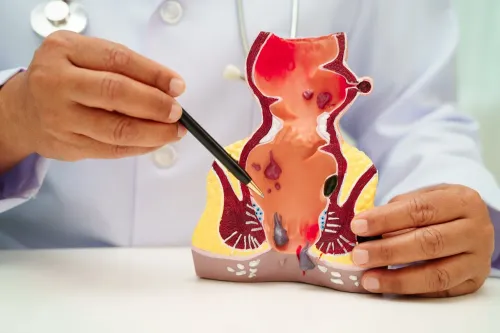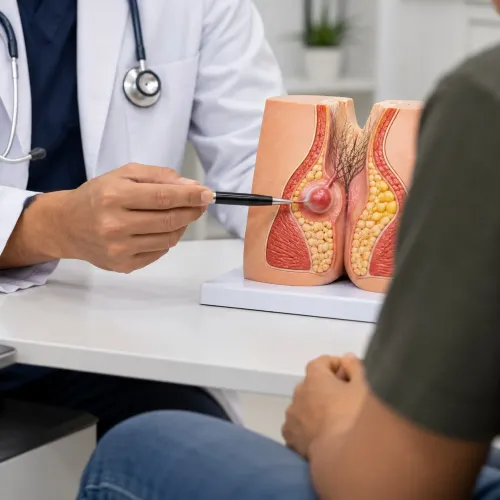

Many people experiencing pain during bowel movements begin with dietary changes, increased water intake, or over-the-counter products. While these measures may help early symptoms, there are situations where professional Fissure Treatment becomes necessary.
An anal fissure that persists for several weeks or repeatedly returns may indicate an underlying problem requiring medical attention. Knowing when home care has reached its limits can help prevent ongoing discomfort and chronic complications.
When Home Remedies May Help
For newly developed fissures, doctors often recommend:
- Drinking adequate fluids
- Increasing dietary fibre
- Taking stool softeners if prescribed
- Warm sitz baths
- Avoiding constipation
These measures aim to reduce strain during bowel movements and encourage healing.
Warning Signs That Need Medical Evaluation
Consult a surgeon if you notice:
- Pain lasting several weeks
- Bleeding during bowel movements
- Severe muscle spasm
- Difficulty passing stools because of pain
- Symptoms returning repeatedly
- Persistent discomfort despite treatment
These signs may suggest a chronic fissure.
Why Chronic Fissures Behave Differently
Unlike acute fissures, chronic fissures often develop persistent muscle spasm that interferes with healing.
Without appropriate treatment, patients may experience:
- Continuous pain
- Fear of bowel movements
- Constipation due to pain avoidance
- Reduced quality of life
Professional evaluation helps determine the next step.
Treatment Options Beyond Home Care
Depending on examination findings, treatment may include:
- Prescription medications
- Lifestyle modifications
- Dietary counselling
- Laser-assisted procedures
- Conventional surgery when medically appropriate
Not every chronic fissure requires the same treatment.
Supporting Long-Term Recovery
Recovery can be improved by maintaining:
- Fibre-rich nutrition
- Adequate hydration
- Regular bowel habits
- Daily physical activity
- Follow-up appointments
- Good anal hygiene
These habits also reduce the likelihood of recurrence.
Expert Care Close to Home
Patients across Nashik increasingly have access to modern surgical care for chronic anorectal disorders. Early evaluation helps determine whether conservative treatment remains appropriate or whether additional intervention should be considered.
Shree Hospital provides comprehensive assessment for patients experiencing persistent fissure symptoms and develops individualized treatment plans based on clinical evaluation. Those seeking further information before consultation can also explore drshripadupasani.com to understand the available treatment approaches.
Knowing when to move beyond home remedies allows patients to address chronic fissures before they begin affecting everyday comfort, work, and overall quality of life.
Keywords