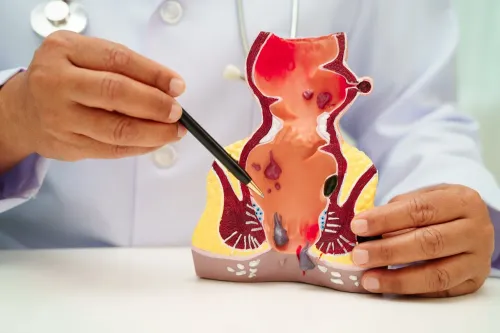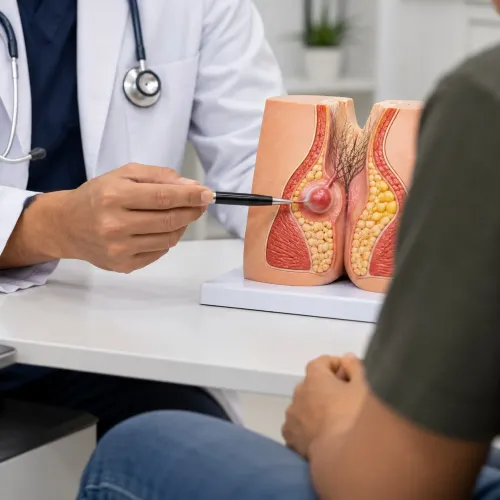

Hearing the word 'surgery' often makes people anxious, especially when it involves piles. Many patients postpone treatment because they fear severe pain, long hospital stays, or weeks away from work. Fortunately, advances in proctology have introduced techniques that are designed to reduce discomfort and support faster recovery for suitable patients. If you are searching for Painless Piles Surgery in Nashik, it is helpful to understand what the term actually means and what you can realistically expect.
What are piles?
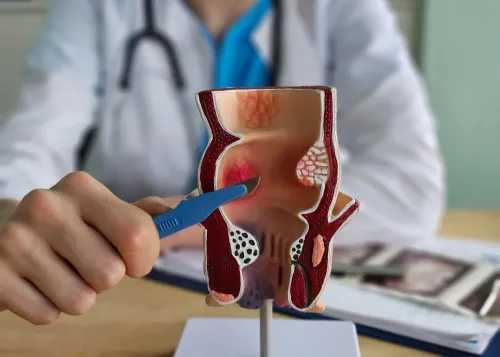
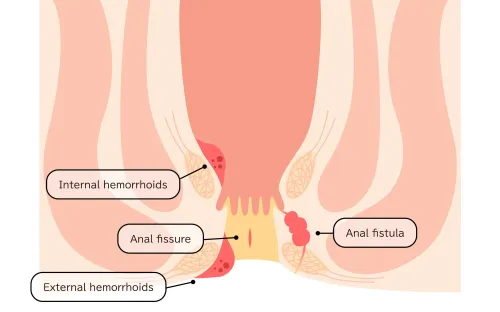
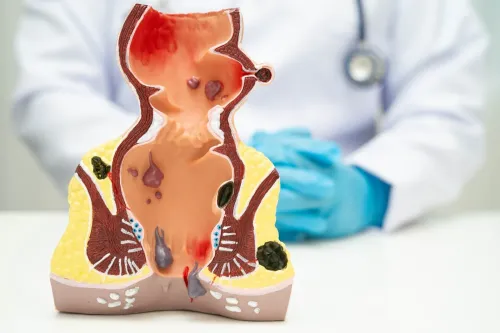
Piles, also known as hemorrhoids, are swollen veins in the lower rectum or around the anus. They develop when increased pressure affects these veins over time.
Common factors that contribute to piles include:
- Chronic constipation
- Repeated straining during bowel movements
- Sitting for long periods
- Pregnancy
- Obesity
- Low-fibre diet
- Lack of physical activity
Early-stage piles often improve with lifestyle changes and medication, while more advanced cases may require procedural treatment.
Does every patient need surgery?
No. Surgery is not the first treatment for everyone.
Doctors usually recommend conservative treatment when symptoms are mild.
This may include:
- Increasing fibre intake
- Drinking plenty of water
- Stool softeners
- Medicines to relieve symptoms
- Warm sitz baths
- Lifestyle modifications
If bleeding, prolapse, or pain continues despite medical treatment, surgery or another procedure may be considered.
What does 'painless' really mean?
The phrase 'painless piles surgery' can sometimes be misleading. No medical procedure is entirely free of discomfort. However, modern surgical and minimally invasive techniques are designed to reduce tissue injury, minimise postoperative pain, and improve patient comfort.
Many patients experience:
- Less discomfort compared to older surgical methods
- Smaller wounds in selected procedures
- Reduced bleeding
- Shorter hospital stay
- Quicker return to routine activities
Pain levels vary depending on the type of procedure, the severity of piles, and each patient's individual healing response.
Which treatment options are available?
The most suitable treatment depends on the grade of piles and the patient's symptoms.
Depending on the diagnosis, treatment may include:
- Medical management
- Rubber band ligation
- Laser-assisted procedures for selected cases
- Conventional hemorrhoid surgery
- Other minimally invasive techniques
Your doctor will recommend the approach that offers the best balance between effectiveness, recovery, and long-term results.
What should you expect after surgery?
Recovery is generally smoother when postoperative instructions are followed carefully.
Patients are commonly advised to:
- Eat a high-fibre diet
- Drink sufficient water
- Avoid constipation
- Take prescribed medications
- Maintain good personal hygiene
- Walk regularly after medical clearance
- Attend follow-up appointments
These measures help reduce discomfort and support healing.
How can you prepare for surgery?
Preparing well before the procedure often makes recovery easier.
Helpful steps include:
- Discussing all medications with your doctor
- Following fasting instructions if advised
- Arranging transportation after the procedure
- Wearing comfortable clothing
- Planning a few days of reduced physical activity
- Understanding the expected recovery process
Patients who know what to expect usually feel more confident before treatment.
Choosing the right healthcare provider
When considering piles surgery, look for a provider that focuses on careful diagnosis rather than recommending surgery immediately.
A good consultation should include:
- Confirmation of the diagnosis
- Discussion of non-surgical options
- Explanation of different procedures
- Information about benefits and limitations
- Guidance on recovery and prevention
This helps patients make informed decisions without unnecessary anxiety.
Choosing treatment in Nashik
If you are exploring Painless Piles Surgery in Nashik, it is important to remember that the best treatment is one that matches your condition rather than the latest technology alone. A detailed evaluation helps determine whether surgery is required and which approach is most appropriate.
At Shree Hospital, every patient is assessed individually before treatment recommendations are made. The focus is on selecting evidence-based treatment options, explaining recovery expectations clearly, and helping patients manage piles effectively while reducing the risk of recurrence through long-term lifestyle guidance.
Keywords