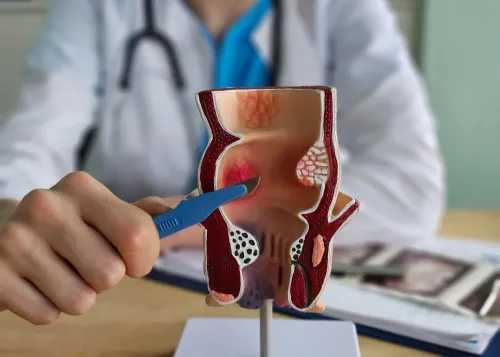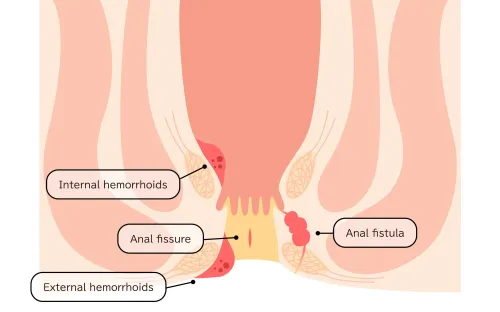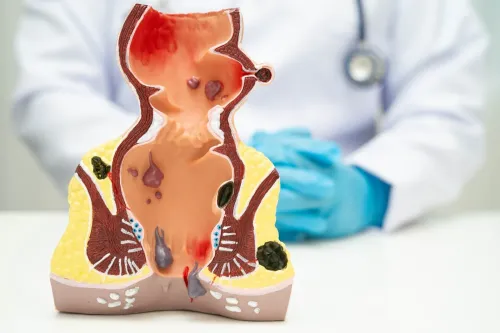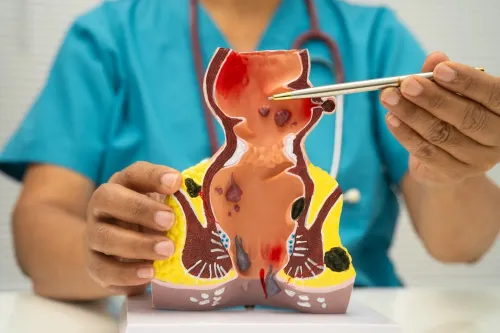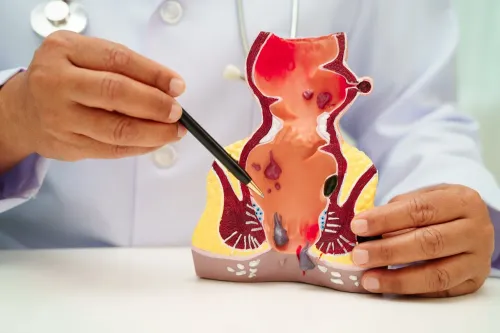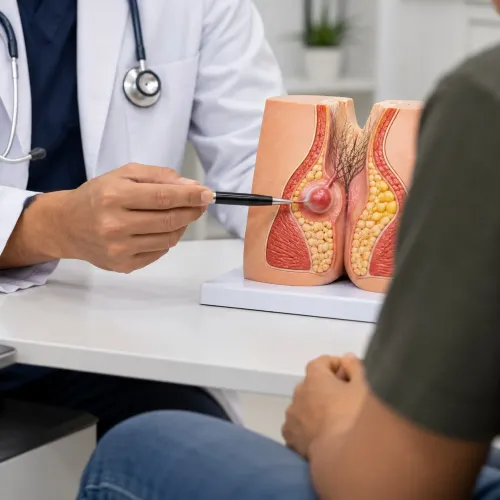

An anal fistula is a condition that usually develops after an infection around the anus. Although it may begin as a small abscess, untreated infections can create an abnormal tunnel between the anal canal and the surrounding skin. This often leads to repeated pain, swelling, and discharge.
People searching for a Laser Fistula Doctor in Nashik are typically looking for treatment options that provide effective healing with minimal disruption to daily life. Understanding the condition is the first step toward making informed healthcare decisions.
What causes an anal fistula?
Most anal fistulas develop after an anal gland becomes infected and forms an abscess. Even after the abscess drains, a small tunnel may remain, creating a fistula.
Other possible causes include:
- Inflammatory bowel diseases
- Previous anal surgery
- Tuberculosis in rare cases
- Radiation therapy
- Trauma to the anal area
A proper medical evaluation is important because treatment depends on the type and complexity of the fistula.
Common symptoms
Many patients experience symptoms that come and go, making them easy to overlook initially.
Typical signs include:
- Persistent or recurring pain around the anus
- Swelling near the anal opening
- Pus or blood-stained discharge
- Skin irritation caused by continuous drainage
- A small opening on the skin near the anus
- Fever if an active infection is present
Repeated drainage followed by temporary relief is a common pattern in many fistula cases.
How is a fistula diagnosed?
Diagnosis generally begins with a detailed medical history and physical examination.
Depending on the situation, the doctor may recommend:
- Clinical examination
- Digital rectal examination
- Anoscopy
- MRI for complex fistulas
- Endoanal ultrasound in selected cases
Imaging helps identify the course of the fistula and assists in planning appropriate treatment.
Can medicines cure an anal fistula?
Unlike some infections, an anal fistula usually does not heal completely with antibiotics alone. Medicines may temporarily reduce infection or inflammation, but they generally cannot close the abnormal tract.
For this reason, many patients eventually require a procedural intervention to achieve long-term healing.
What is laser treatment for anal fistula?
Laser-assisted fistula treatment is one of the minimally invasive options available for selected patients. The procedure uses laser energy to treat the fistula tract while aiming to preserve surrounding tissues.
Potential benefits associated with laser treatment include:
- Smaller wounds
- Less bleeding
- Reduced postoperative discomfort
- Shorter hospital stay
- Faster return to normal activities in suitable cases
However, not every fistula is suitable for laser treatment. The decision depends on the fistula's location, complexity, and involvement of the anal sphincter muscles.
Recovery after treatment
Recovery varies depending on the procedure performed and the patient's overall health.
Doctors commonly advise patients to:
- Keep the area clean and dry
- Take prescribed medicines as directed
- Eat a high-fiber diet
- Drink enough water
- Avoid constipation
- Attend follow-up appointments
- Resume physical activity gradually
Good postoperative care supports healing and reduces the likelihood of complications.
When should you consult a specialist?
Seek medical evaluation if you experience:
- Recurrent pus discharge
- Persistent anal pain
- Swelling that keeps returning
- Bleeding around the anal area
- Fever associated with anal swelling
- Symptoms that do not improve after abscess treatment
Early diagnosis may prevent repeated infections and reduce the complexity of future treatment.
Choosing the right care in Nashik
Patients looking for a Laser Fistula Doctor in Nashik should seek a provider who performs a thorough assessment before recommending any procedure. Since each fistula differs in its anatomy and severity, individualized treatment planning is essential.
At Shree Hospital, patients are evaluated carefully to determine whether laser treatment or another surgical approach is more appropriate. The focus is on explaining the condition, discussing available options, and helping patients make informed decisions based on their specific clinical findings rather than following a one-size-fits-all approach.
Keywords