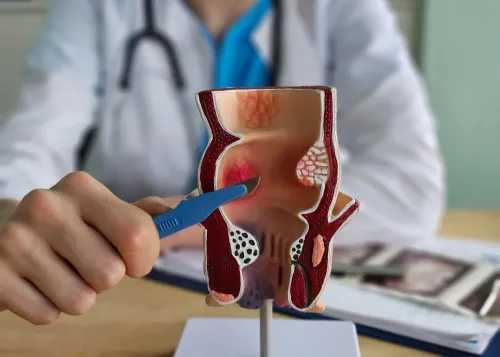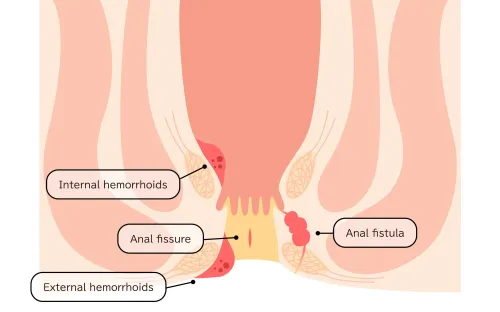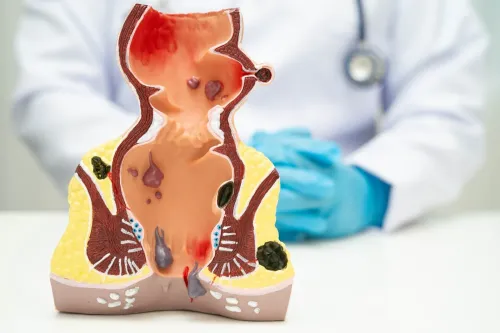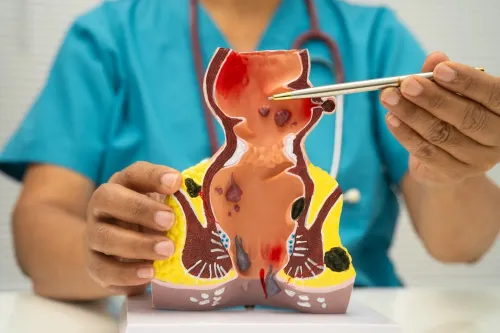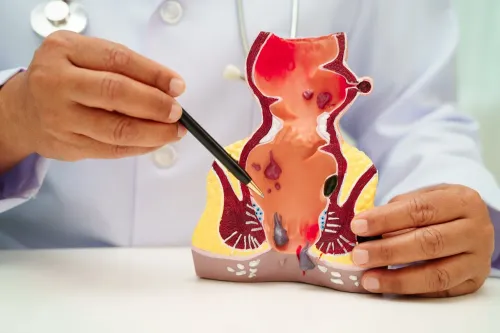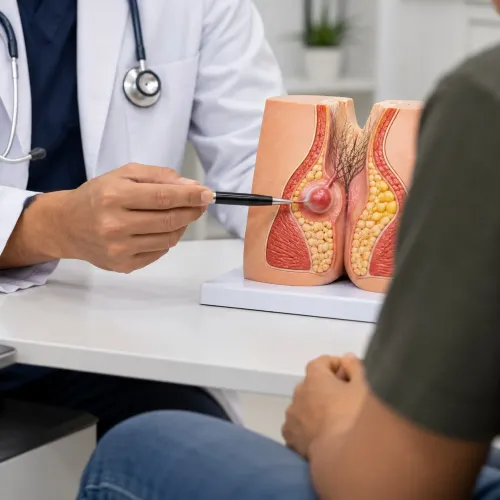

An anal fistula is an abnormal tunnel that develops between the anal canal and the skin around the anus. It commonly forms after an infection or abscess and rarely heals without medical treatment. Patients searching for a Laser Fistula Doctor often want to know whether laser treatment is better than conventional surgery. The answer depends on the type of fistula, its complexity, and the patient's overall health.
With advanced surgical techniques now available in Nashik, patients have access to multiple treatment options. Understanding the differences can help you have a more informed discussion with your surgeon.
What Is an Anal Fistula?
An anal fistula develops when an infected gland near the anus creates a channel through surrounding tissue. Common symptoms include:
- Persistent discharge
- Swelling around the anus
- Recurrent pain
- Skin irritation
- Bleeding
- Repeated abscess formation
Ignoring these symptoms may lead to recurring infections and ongoing discomfort.
Conventional Surgery
Traditional fistula surgery has been used successfully for many years. Depending on the fistula's location, procedures may include opening the fistula tract, removing infected tissue, or using specialized techniques to preserve muscle function.
Advantages may include:
- Suitable for many fistula types
- Well-established surgical methods
- Effective for complex cases when appropriately selected
Recovery time varies depending on the extent of surgery.
Laser Treatment
Laser-assisted procedures are increasingly used for selected fistula cases. The laser helps close the fistula tract with minimal tissue damage.
Potential benefits include:
- Smaller surgical wounds
- Reduced bleeding
- Less postoperative discomfort for many patients
- Earlier return to routine activities in appropriate cases
Laser treatment is not suitable for every fistula, which is why proper evaluation remains essential.
Factors That Influence Treatment Choice
A surgeon considers several factors before recommending treatment:
- Location of the fistula
- Number of fistula tracts
- Previous surgeries
- Presence of infection
- Involvement of anal muscles
- Patient's medical history
No single treatment works best for everyone.
Questions to Ask During Your Consultation
Before deciding on treatment, consider asking:
- What type of fistula do I have?
- Is laser treatment appropriate for my condition?
- What recovery period should I expect?
- What precautions should I follow after surgery?
- How can recurrence be reduced?
These questions help patients make informed decisions.
Recovery Tips
After treatment, recovery often includes:
- Maintaining good hygiene
- Following medication instructions
- Eating a high-fibre diet
- Staying hydrated
- Attending follow-up appointments
- Avoiding unnecessary strain during bowel movements
Finding Appropriate Surgical Care
Patients in Nashik and surrounding areas benefit from access to surgeons experienced in both conventional and minimally invasive anorectal procedures. Rather than choosing a treatment based on online information alone, a clinical examination helps determine the most appropriate approach.
Shree Hospital evaluates fistula cases individually and recommends treatment based on medical findings instead of a standard protocol. Patients can also explore drshripadupasani.com to better understand the surgical options available before scheduling a consultation.
Keywords