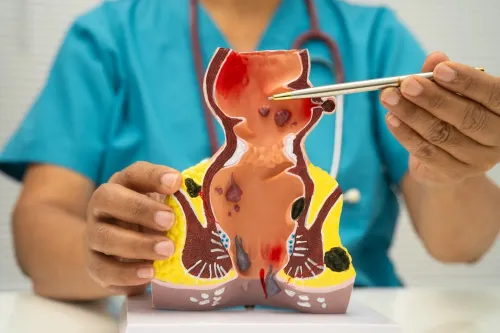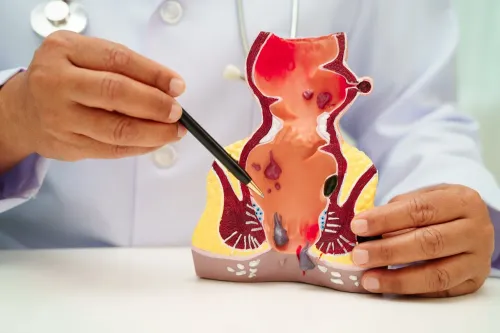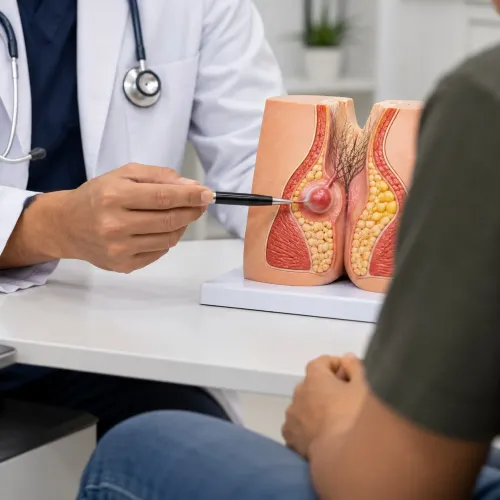

Piles are one of the most common anorectal conditions, yet many people continue to live with pain, bleeding, or discomfort because they hesitate to seek treatment. While medicines and lifestyle changes are effective for many patients, others may benefit from minimally invasive procedures. This has led to growing interest in Laser Piles Treatment in Nashik, particularly among people looking for a treatment option that may involve less discomfort and a quicker return to normal life.
Understanding when laser treatment is appropriate can help patients make informed decisions with their doctor.
What are the symptoms of piles?
Piles can affect people differently depending on their severity.
Common symptoms include:
- Bleeding during bowel movements
- Pain or discomfort around the anus
- Itching and irritation
- Swelling
- A lump near the anal opening
- Mucus discharge in some cases
- Prolapse during bowel movements
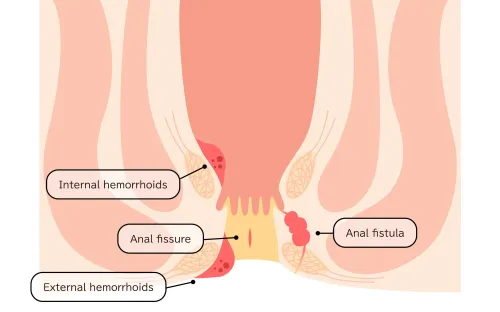
These symptoms may also occur in fissures or fistulas, making proper diagnosis essential.
When is laser treatment considered?
Laser treatment is generally considered for patients whose symptoms persist despite conservative management or whose piles require procedural intervention.
Your doctor may recommend further evaluation if:
- Bleeding continues repeatedly
- Piles prolapse frequently
- Pain interferes with daily activities
- Medication has not provided sufficient relief
- The condition keeps recurring
Not every patient with piles requires laser treatment, and early-stage disease often improves with non-surgical care.
How does laser piles treatment work?
Laser-assisted procedures use focused laser energy to treat the affected hemorrhoidal tissue while aiming to preserve nearby healthy structures.
For suitable patients, this approach may offer several potential advantages, including:
- Reduced bleeding during the procedure
- Smaller treatment area
- Less postoperative discomfort
- Faster recovery in many cases
- Earlier return to work and routine activities
The suitability of laser treatment depends on the grade of piles and the overall clinical assessment.
Recovery after laser treatment
Although recovery is generally quicker for many patients, following medical advice remains essential for good healing.
Doctors commonly recommend:
- Eating a fibre-rich diet every day
- Drinking adequate water
- Avoiding prolonged sitting during recovery
- Taking prescribed medicines
- Keeping bowel movements soft
- Walking regularly after medical clearance
- Attending scheduled follow-up visits
These measures help support healing and reduce the likelihood of future symptoms.
Can piles return after treatment?
Any treatment for piles can be affected by lifestyle habits.
Recurrence may occur if patients continue to:
- Strain during bowel movements
- Ignore chronic constipation
- Consume a low-fibre diet
- Spend long hours sitting without breaks
- Delay treatment when symptoms return
Maintaining healthy bowel habits remains one of the most effective ways to support long-term results.
Questions to discuss with your doctor
Before choosing laser treatment, consider asking:
- Is laser treatment suitable for my grade of piles?
- Are there non-surgical alternatives?
- What benefits and limitations should I expect?
- How long will recovery take?
- When can I return to work?
- What lifestyle changes will help prevent recurrence?
Understanding these points helps patients choose treatment with realistic expectations.
Why an individual assessment is important
Two patients with similar symptoms may require completely different treatments. Factors such as the severity of piles, overall health, previous treatments, and associated anorectal conditions all influence the final treatment plan.
For this reason, choosing a treatment based solely on online information may not always be appropriate. A comprehensive evaluation provides a clearer picture of the most suitable approach.
Choosing laser piles treatment in Nashik
People searching for Laser Piles Treatment in Nashik often want a minimally invasive option that supports effective symptom relief and recovery. The most appropriate treatment, however, depends on an accurate diagnosis and careful clinical assessment.
At Shree Hospital, patients are evaluated individually before any procedure is recommended. The healthcare team discusses conservative management, laser-assisted techniques, and conventional surgical options where appropriate, helping patients understand the available choices and make informed decisions that support both recovery and long-term bowel health.
Keywords