
A painful swelling near the tailbone that keeps returning can interfere with everyday activities such as sitting, driving, or working for long hours. Many people initially think it is a boil or skin infection, only to discover later that they have a pilonidal cyst. If the condition recurs despite medicines or drainage, doctors may recommend a more definitive solution. For those exploring Pilonidal Cyst Laser Treatment in Nashik, understanding the condition and available treatment options is an important first step.
What is a pilonidal cyst?
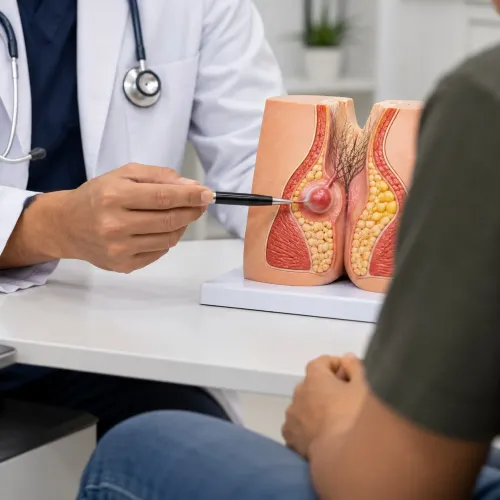
A pilonidal cyst is a small cavity that forms beneath the skin, usually in the crease between the buttocks. It often contains hair, skin debris, and bacteria. When infected, it can become swollen, painful, and filled with pus.
The condition is more commonly seen in:
- Young adults
- People with sedentary jobs
- Individuals who sit for long hours
- Those with thick body hair
- Overweight individuals
- People who experience excessive sweating
Although anyone can develop a pilonidal cyst, certain lifestyle factors can increase the risk.
Common symptoms
The symptoms may vary depending on whether the cyst is infected.
Patients commonly experience:
- Pain near the tailbone
- Swelling or a noticeable lump
- Redness around the affected area
- Pus or blood discharge
- Unpleasant odour
- Difficulty sitting comfortably
- Fever if the infection becomes severe
Ignoring these symptoms may allow the infection to worsen over time.
Why does the problem keep coming back?
Many patients experience temporary relief after antibiotics or drainage, only for the swelling to return weeks or months later.
Recurrence may happen because:
- The sinus tract remains untreated
- Hair continues to collect beneath the skin
- Local hygiene is inadequate
- Prolonged sitting causes repeated irritation
- The infection has become chronic
This is why recurrent pilonidal disease often requires a more definitive treatment approach.
When is laser treatment considered?
Laser treatment is generally considered for selected patients with chronic or recurrent pilonidal disease. The procedure aims to treat the sinus tract while causing minimal damage to surrounding healthy tissue.
Compared with conventional surgery, laser-assisted treatment may offer several advantages for suitable candidates, including:
- Smaller wounds
- Less bleeding
- Reduced postoperative discomfort
- Faster healing in many cases
- Earlier return to work and daily activities
However, the decision depends on factors such as the size of the cyst, the extent of the sinus tract, and the patient's overall health.
What happens before the procedure?
A detailed clinical examination helps determine whether laser treatment is appropriate.
The consultation usually includes:
- Medical history
- Physical examination
- Assessment of previous infections
- Review of earlier treatments
- Evaluation of the sinus tract
The doctor explains the available treatment options before recommending the most appropriate approach.
Recovery after laser treatment
Recovery varies from person to person, but following postoperative instructions plays an important role in healing.
Doctors commonly recommend:
- Keeping the area clean and dry
- Taking prescribed medications
- Avoiding prolonged sitting during the initial recovery period
- Wearing loose, comfortable clothing
- Maintaining regular follow-up appointments
- Removing excess hair around the area if advised
These measures help reduce irritation and lower the chances of recurrence.
Can pilonidal cysts be prevented?
Although not every case is preventable, healthy habits may reduce the risk of recurrence.
Helpful measures include:
- Maintaining good personal hygiene
- Keeping the area free from excessive hair when recommended
- Taking breaks from prolonged sitting
- Maintaining a healthy body weight
- Wearing breathable clothing
- Seeking treatment early if swelling or discharge returns
Choosing treatment in Nashik
People looking for Pilonidal Cyst Laser Treatment in Nashik often want a solution that addresses the root cause rather than only providing temporary relief. A careful assessment helps determine whether laser treatment is suitable or if another surgical approach would be more effective.
At Shree Hospital, patients receive an individualized evaluation before treatment is planned. The focus is on identifying the extent of the disease, discussing all available treatment options, and recommending an approach that supports effective healing while minimizing the likelihood of future recurrence.
Keywords