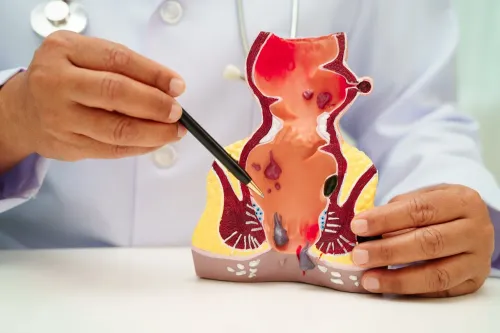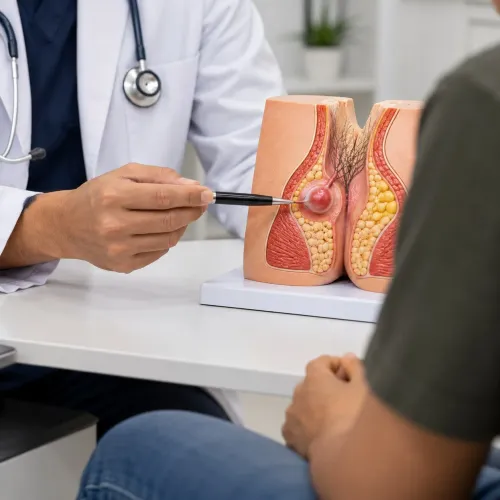

Searching for the Best Anorectal Clinic often begins after weeks or months of uncomfortable symptoms. Patients may be dealing with bleeding, painful bowel movements, discharge, swelling, or recurrent infections and naturally want a provider who can offer effective treatment.
Rather than relying on a “best” label, patients in Nashik, Maharashtra, can evaluate clinics using practical indicators of clinical quality, communication, safety, and continuity of care.
The Clinic Diagnoses Before Recommending a Procedure
A trustworthy treatment process starts with identifying the condition.
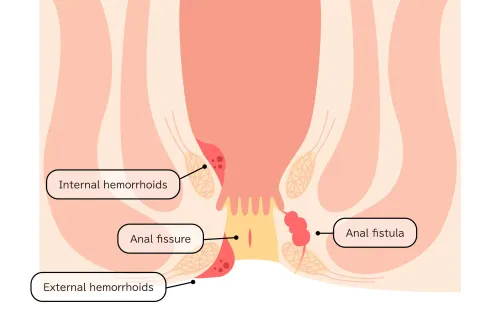
Piles, fissures, fistulas, abscesses, and other anorectal problems can produce overlapping symptoms. A clinic should therefore obtain a proper history and perform an appropriate examination before recommending treatment.
A procedure should not be selected merely because a patient arrived after searching for laser surgery.
The Surgeon Explains the Condition Clearly
Medical explanations should be understandable.
After evaluation, you should have a reasonable understanding of what condition has been identified, how severe it is, and what treatment choices are available.
A good consultation also allows patients to ask questions without feeling rushed or embarrassed.
Both Conservative and Surgical Options Are Considered
Not every anorectal condition needs immediate surgery.
Early haemorrhoids and acute fissures may sometimes improve with appropriate conservative management. Other conditions, such as an abscess requiring drainage or a persistent fistula, may need procedural treatment.
A clinic should recommend care according to clinical need rather than treating every problem with the same technique.
Risks Are Discussed Alongside Benefits
All medical procedures have limitations and potential complications.
Patients should receive realistic information about pain, bleeding, infection, healing, recurrence, bowel function, and other procedure-specific considerations where relevant.
Statements guaranteeing zero pain, instant recovery, or permanent cure for every patient should not replace informed medical counselling.
The Facility Supports the Planned Procedure
If surgery is recommended, ask about anaesthesia, operating facilities, monitoring, discharge procedures, emergency contact arrangements, and follow-up.
The quality of surgical care depends on the complete treatment environment, not just the equipment used during the procedure.
Privacy Is Taken Seriously
Anorectal symptoms can be embarrassing for patients.
A suitable clinic should provide a respectful environment where symptoms, examinations, and treatment choices can be discussed confidentially.
This can make it easier for patients to describe important details accurately.
Follow-Up Is Part of the Plan
Post-treatment review is particularly important after anorectal procedures.
The surgeon may need to assess healing, bowel habits, discharge, wound condition, or other symptoms. Patients should know when follow-up is planned and whom to contact if unexpected symptoms develop.
Shree Hospital in Nashik provides proctology and general surgical assessment for conditions including piles, fissures, fistulas, and pilonidal disease, along with other surgical concerns.
Ultimately, the Best Anorectal Clinic for an individual patient is one that provides an accurate diagnosis, appropriate treatment options, qualified surgical care, realistic counselling, adequate facilities, and dependable follow-up.
These qualities are more useful for making a healthcare decision than rankings or promotional claims alone.
Keywords