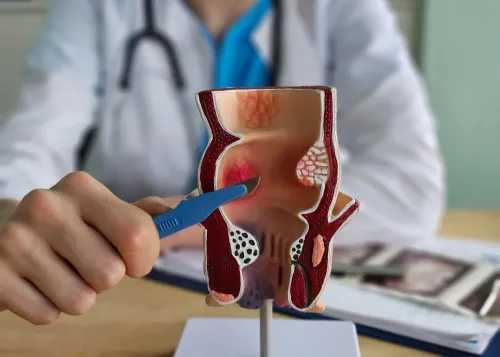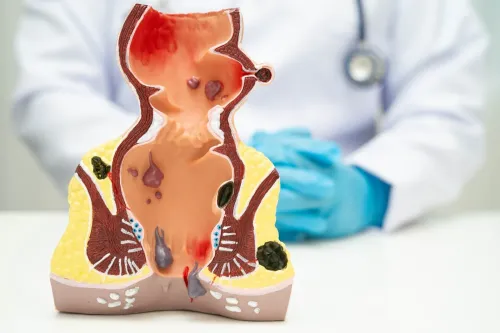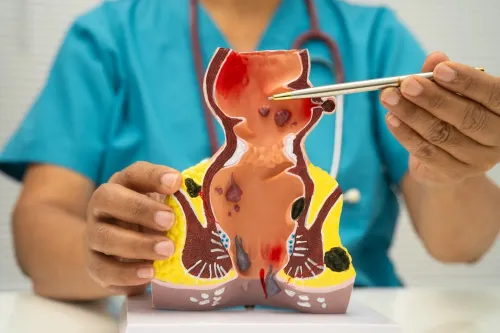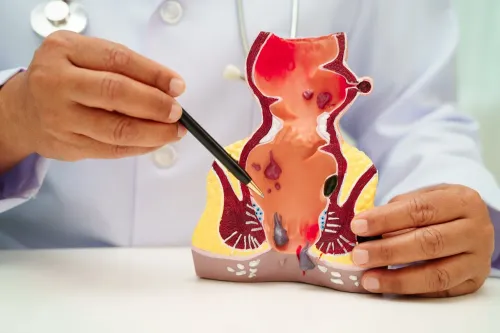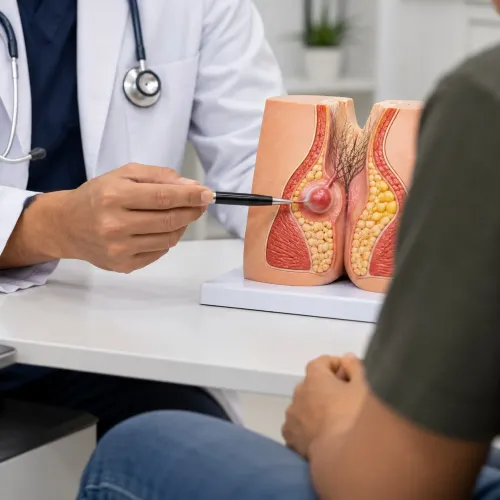
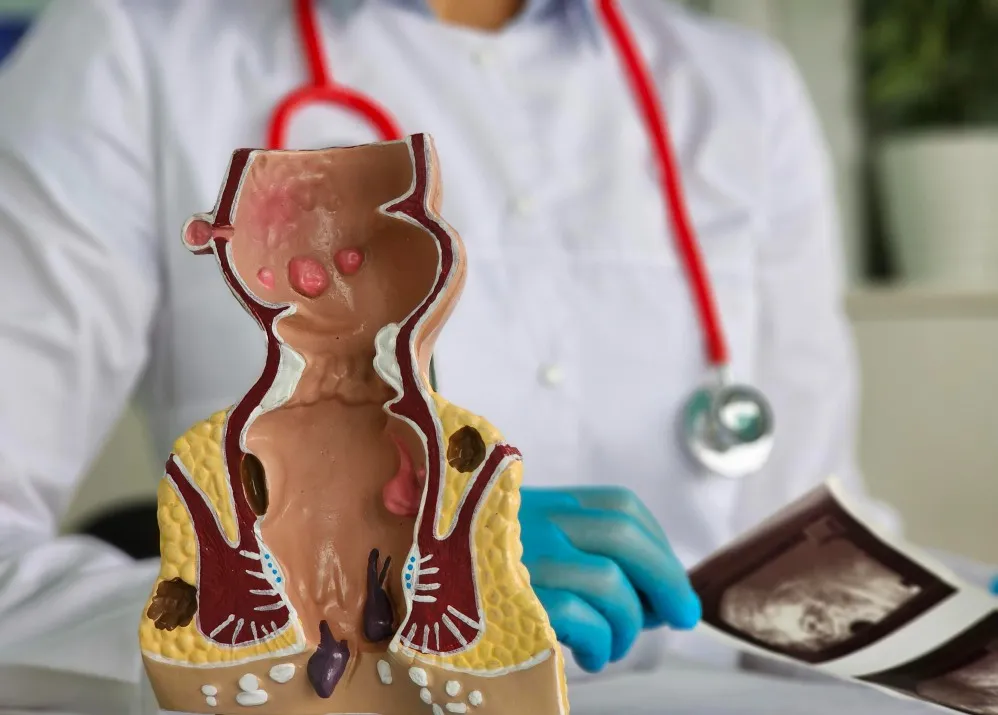
Rectal bleeding is frequently associated with piles in everyday conversation, but haemorrhoids are only one possible cause of anorectal symptoms. A Proctologist evaluates conditions involving the anus and rectum and can help determine why symptoms such as pain, bleeding, discharge, swelling, or persistent itching are occurring.
For people in Nashik and other parts of Maharashtra, knowing which symptoms deserve specialist assessment can prevent repeated self-treatment of a problem that has never been properly identified.
Rectal Bleeding Has Different Causes
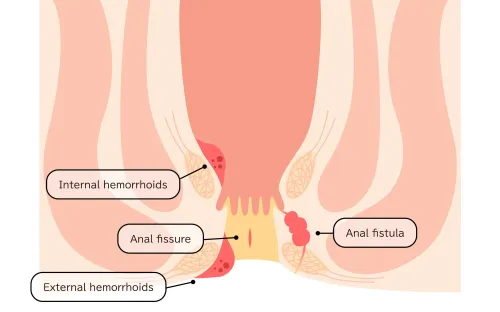
Bright red blood after passing stool may occur with haemorrhoids or an anal fissure. Other bowel and rectal conditions can also cause bleeding.
The pattern matters. A doctor may ask whether blood appears on toilet paper, coats the stool, drips into the toilet, or seems mixed with the stool.
Frequency, duration, bowel changes, age, family history, medicines, and other symptoms can influence whether additional investigation is appropriate.
Sharp Pain During Bowel Movements
A severe cutting or burning sensation while passing stool is commonly associated with an anal fissure. A fissure is a tear in the lining of the anal canal and may be linked with hard stools or constipation.
Pain can sometimes continue after the bowel movement has finished.
Although many acute fissures improve with appropriate conservative care, persistent fissures may need further evaluation and treatment.
Repeated Swelling and Discharge
A small opening near the anus that repeatedly releases pus or fluid may suggest an anal fistula, particularly when there has previously been an abscess.
A fistula is an abnormal tract connecting the anal canal with the skin. Because fistula anatomy can vary, treatment planning requires careful evaluation of the tract and its relationship to the sphincter muscles.
Simply treating the external discharge does not necessarily address the underlying tract.
Lumps Around the Anal Region
Patients may describe almost every anal lump as piles, yet lumps can arise from different causes.
External haemorrhoids, thrombosed haemorrhoids, skin tags, abscesses, prolapse, and other lesions can appear as swelling around the anus.
A physical examination helps determine what the lump represents before treatment is recommended.
Persistent Itching Should Not Be Ignored
Anal itching may occur due to moisture, irritation, hygiene practices, skin conditions, discharge, or anorectal disease.
Repeated use of creams without identifying the cause can sometimes further irritate sensitive skin. Assessment is particularly useful when itching persists despite basic hygiene measures.
What Happens During Evaluation
A consultation usually begins with a discussion about bowel habits, symptoms, previous episodes, medicines, medical history, and any earlier procedures.
An examination may then be recommended. Depending on the symptoms, an appropriate anorectal examination or further investigation can help establish the diagnosis.
Shree Hospital in Nashik provides evaluation for piles, fissures, fistulas, pilonidal disease, and other surgical concerns. A consultation with a Proctologist is especially relevant when symptoms recur, have not responded to previous treatment, or cannot confidently be attributed to one condition.
Anorectal symptoms can be uncomfortable to discuss, but accurate information is essential for choosing appropriate care. Instead of assuming every episode of bleeding is piles or every painful lump is an infection, obtaining a clinical diagnosis provides a clearer basis for treatment.
Keywords