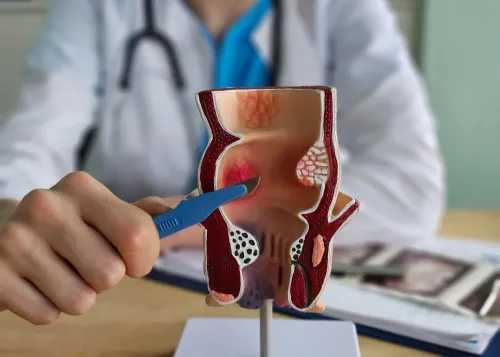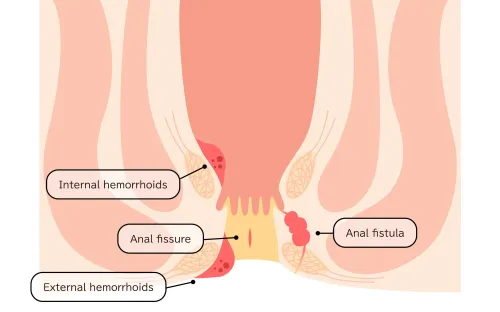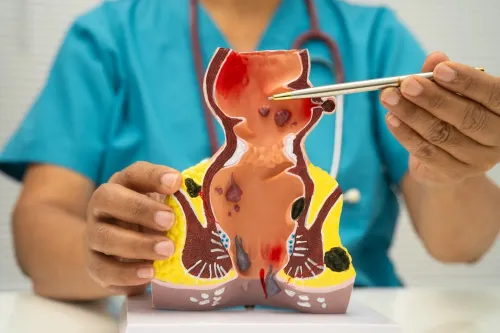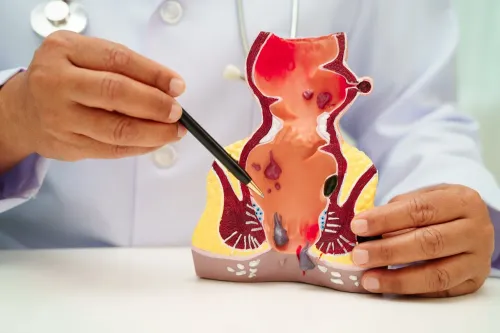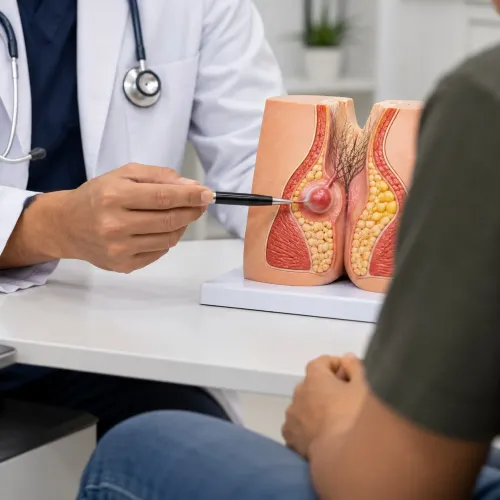

An anal fissure is a small tear in the lining of the anal canal that can cause significant pain, particularly during bowel movements. While many fissures heal with conservative treatment, some become chronic and require additional medical intervention. Learning about Fissure Laser Treatment helps patients understand one of the modern treatment options available today.
People in Nashik often postpone treatment because they assume surgery is the only solution. In reality, management depends on how long the fissure has been present and how well it responds to initial treatment.
What Causes an Anal Fissure?
Several factors can contribute to the development of a fissure, including:
- Chronic constipation
- Passing hard stools
- Frequent diarrhoea
- Repeated straining
- Childbirth in some individuals
- Increased muscle spasm around the anal canal
These factors can prevent proper healing if not addressed.
Symptoms of a Chronic Fissure
Common symptoms include:
- Sharp pain during bowel movements
- Burning sensation lasting several hours
- Bright red bleeding on toilet paper
- Fear of passing stools because of pain
- Small skin tag near the fissure in chronic cases
Persistent symptoms should be evaluated by a qualified surgeon.
Initial Treatment Options
Many acute fissures improve with conservative management such as:
- Increased fibre intake
- Adequate hydration
- Stool softeners
- Warm sitz baths
- Prescription medications to reduce muscle spasm
Patients are usually advised to follow these measures before considering surgical procedures.
What Is Laser Treatment?
Laser treatment uses focused energy during surgery to assist in managing chronic fissures. It is generally considered for carefully selected patients whose symptoms continue despite appropriate medical treatment.
Potential benefits may include:
- Smaller surgical wounds
- Less tissue trauma
- Reduced postoperative discomfort for many patients
- Faster recovery in appropriate cases
Suitability varies from one patient to another.
Is Laser Treatment Right for Everyone?
Not necessarily.
Your surgeon will consider:
- Duration of symptoms
- Previous treatments
- Severity of the fissure
- Associated medical conditions
- Overall health
- Presence of other anorectal disorders
A thorough clinical assessment helps determine the most suitable treatment.
Recovery After Treatment
Recovery recommendations commonly include:
- High-fibre meals
- Drinking enough fluids
- Avoiding constipation
- Taking prescribed medications
- Maintaining hygiene
- Attending scheduled follow-up appointments
Following postoperative instructions plays an important role in healing.
Accessing Care in Nashik
People living in Nashik and nearby areas have increasing access to minimally invasive anorectal procedures performed by experienced surgeons. Early consultation often prevents chronic symptoms and improves long-term outcomes.
Shree Hospital offers evaluation for patients experiencing persistent fissure symptoms and recommends treatment based on individual clinical findings. Patients seeking more information about available procedures can also explore drshripadupasani.com as part of their decision-making process.
Understanding available treatment options allows patients to seek timely medical advice instead of living with ongoing pain that may become increasingly difficult to manage.
Keywords