A painful swelling near the top of the buttock cleft can make sitting, travelling, and routine movement uncomfortable. When the problem repeatedly becomes inflamed or starts discharging, a pilonidal sinus or cyst may be responsible. Pilonidal Cyst Laser Treatment is one of the approaches that may be considered in selected cases after a surgical assessment.
Understanding the condition first is important because treatment varies considerably depending on whether there is an active abscess, a chronic sinus tract, or recurrent disease.
What Causes a Pilonidal Cyst
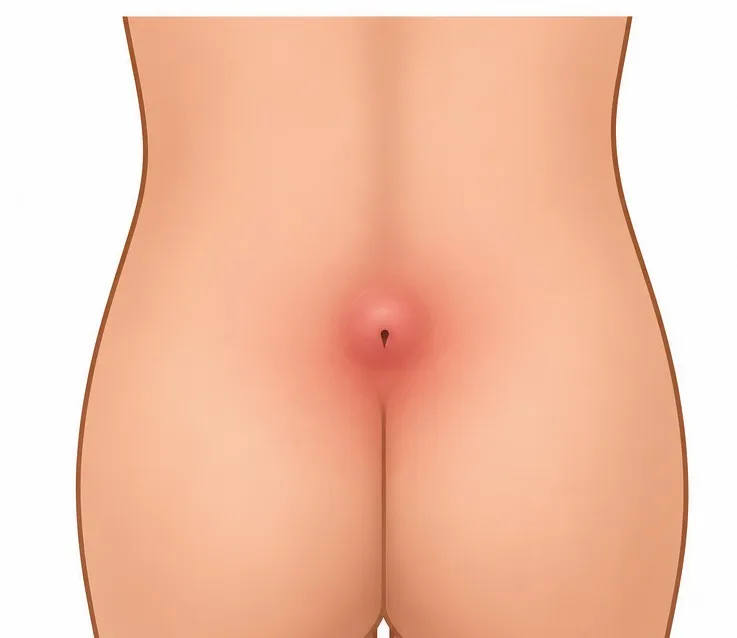
Pilonidal disease usually develops in the cleft between the buttocks, often around the tailbone region. Loose hairs can penetrate the skin and contribute to inflammation and formation of small pits or sinus tracts.
People may notice:
- A painful lump
- Redness or tenderness
- Pus or blood-stained discharge
- Repeated staining of clothing
- An unpleasant smell from discharge
- Recurring swelling in the same location
Some people have small pits without significant symptoms, while others develop repeated infections.
An Acute Abscess Needs Separate Attention
A suddenly painful, swollen area containing pus may represent an abscess. This situation is different from a quiet chronic pilonidal sinus.
When an abscess is present, the immediate priority may be drainage and control of the acute infection rather than definitive treatment of the sinus at that moment. The surgeon determines the appropriate sequence after examining the area.
Trying to squeeze or puncture the swelling at home can worsen irritation and should be avoided.
Where Laser Treatment May Fit
Laser-assisted techniques can be used for selected pilonidal sinus tracts. The objective is generally to treat the tract from within while limiting unnecessary disruption of surrounding tissue.
Suitability depends on factors such as:
- Number of sinus openings
- Length and branching of the tract
- Previous procedures
- Active infection
- Extent of recurrent disease
- Overall health and healing considerations
A minimally invasive approach may be attractive to patients, but it should be selected because it fits the disease pattern rather than simply because it uses newer technology.
Recovery Depends on More Than the Technique
Patients frequently search for procedures promising a quick return to normal activities. Recovery, however, varies according to the extent of disease, treatment performed, wound care, occupation, and individual healing.
After treatment, patients may receive instructions about keeping the area clean, wound care, activity, follow-up appointments, and hair management where clinically advised.
Following these instructions is an important part of reducing avoidable postoperative problems.
Preventing Recurrent Problems
Pilonidal disease can recur even after treatment. Good local hygiene and following the surgeon's recommendations regarding hair control and wound care can be useful parts of longer-term management.
Patients in Nashik, Maharashtra, who repeatedly experience swelling or discharge near the tailbone should consider having the area examined rather than treating each flare as an isolated skin infection.
Shree Hospital provides surgical assessment for anorectal and general surgical conditions, allowing patients to discuss whether Pilonidal Cyst Laser Treatment, another minimally invasive technique, or a conventional surgical approach is suitable for their particular disease.
The key decision is not whether laser treatment sounds more advanced. It is whether the selected procedure appropriately addresses the number, extent, and pattern of the sinus tracts identified during assessment.
Keywords