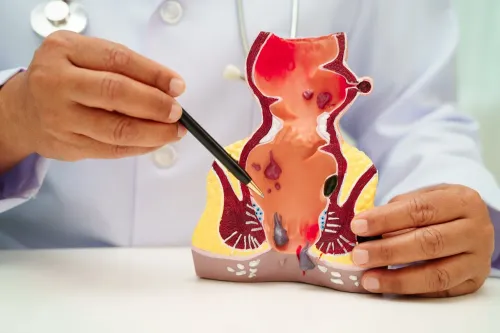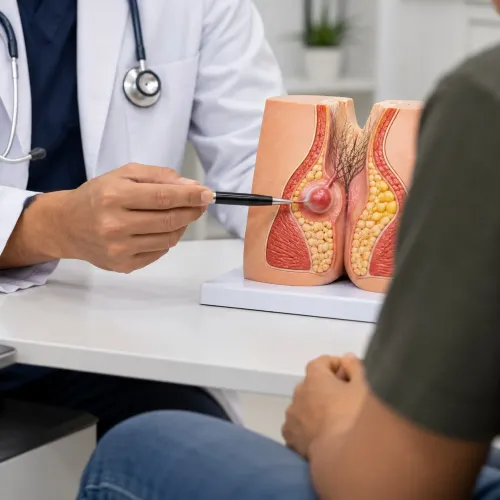
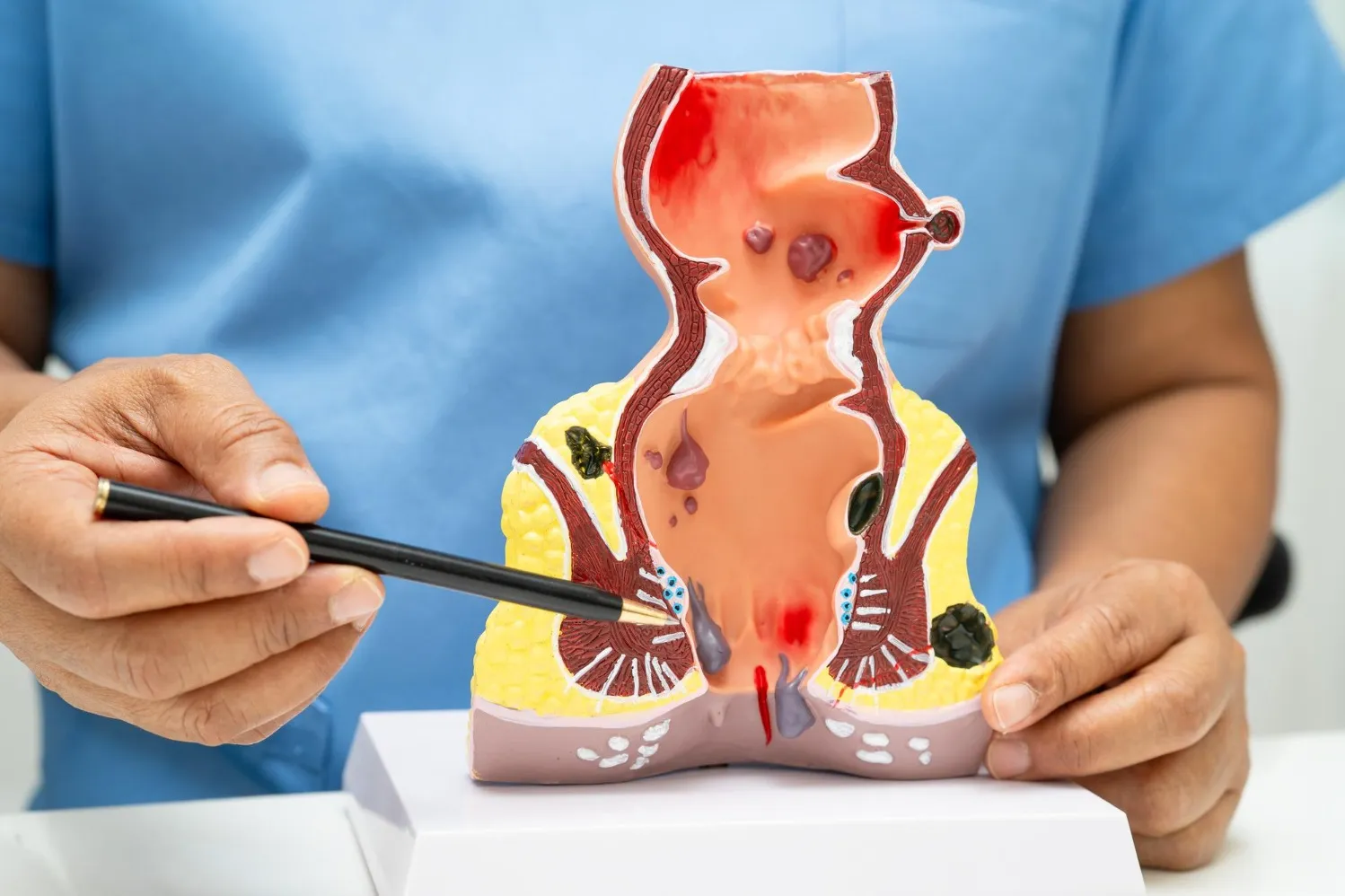
The phrase Painless Piles Surgery is commonly used when people research modern haemorrhoid procedures. It is understandable why the term attracts attention. Pain is one of the main concerns patients have when considering treatment.
However, no responsible surgical discussion should imply that every patient will experience absolutely no discomfort. A more useful question is how modern treatment aims to manage pain, reduce unnecessary tissue trauma, and support recovery when a procedure is clinically appropriate.
Why Traditional Fear Still Influences Patients
Many people have heard stories about difficult recovery after haemorrhoid surgery. These experiences can lead patients to postpone assessment even when bleeding, prolapse, or discomfort has continued for months.
Modern management includes several techniques, and not every patient needs the same operation.
The expected postoperative experience depends on the haemorrhoid grade, procedure performed, individual pain response, associated conditions, and extent of treatment.
Anaesthesia Helps During the Procedure
Surgical and minimally invasive procedures are performed using an appropriate form of anaesthesia based on the operation and patient.
This means pain is controlled during the procedure itself. After surgery, the medical team may prescribe pain relief and give instructions for bowel management, hygiene, diet, and activity.
Postoperative discomfort can still occur and should be discussed realistically before treatment.
Different Procedures Have Different Recovery Profiles
There is no single operation called painless piles surgery. The phrase may be used broadly in relation to laser procedures and other contemporary haemorrhoid treatments.
Treatment options depend on the clinical situation and can include conservative management, office-based interventions, laser-assisted techniques, stapling procedures, or conventional surgery.
Each approach has its own indications, limitations, and possible complications.
Ask About Suitability Rather Than Labels
Patients comparing treatment options should ask practical questions such as:
- What grade of piles do I have?
- Is surgery actually necessary?
- Which procedure is being recommended?
- Why is it appropriate for my condition?
- What discomfort should I realistically expect?
- When can I resume routine activities?
- What complications should I watch for?
- What follow-up will be required?
These questions provide more useful information than relying on a broad promise of a painless procedure.
Bowel Management Is Part of Recovery
Passing a hard stool after anorectal treatment can be uncomfortable. For that reason, postoperative instructions may include adequate hydration, fibre intake, prescribed stool-softening measures, and avoidance of excessive straining.
Patients should follow the specific instructions provided by their surgeon rather than starting medicines independently.
A Realistic Consultation Builds Confidence
People seeking treatment in Nashik, Maharashtra, should expect a surgeon to explain both potential benefits and limitations of the proposed procedure.
At Shree Hospital, assessment can help determine the grade and nature of haemorrhoids before a surgical option is discussed. Patients can also ask about anaesthesia, postoperative pain management, expected recovery, follow-up, and alternatives.
The goal of modern haemorrhoid care is to select an effective treatment while making the treatment experience as manageable as reasonably possible.
When researching Painless Piles Surgery, patients should therefore look beyond the phrase itself. A diagnosis-based procedure, realistic counselling, appropriate pain control, bowel management, and postoperative support are more meaningful indicators of good surgical care than an absolute promise that recovery will involve no discomfort.
Keywords