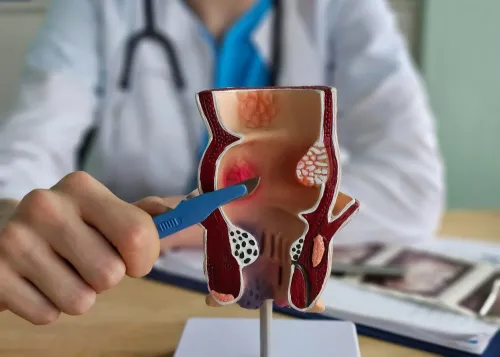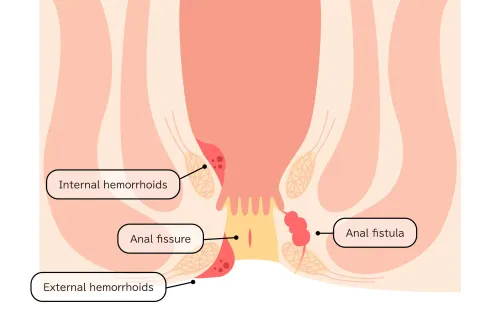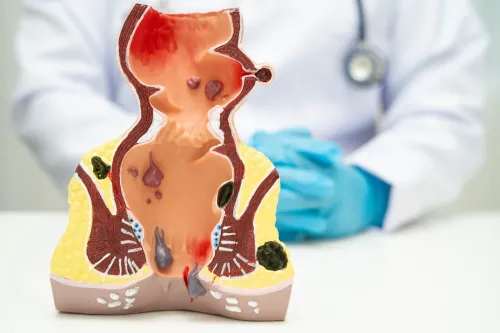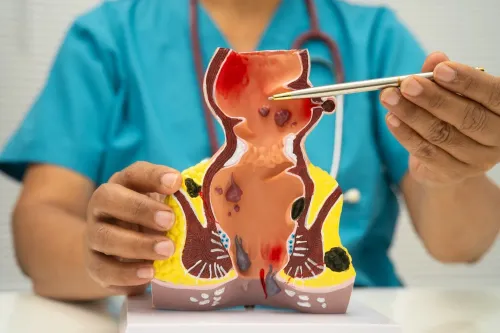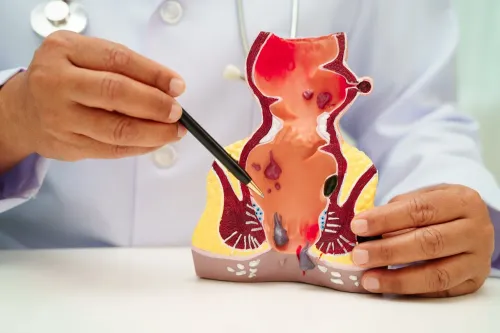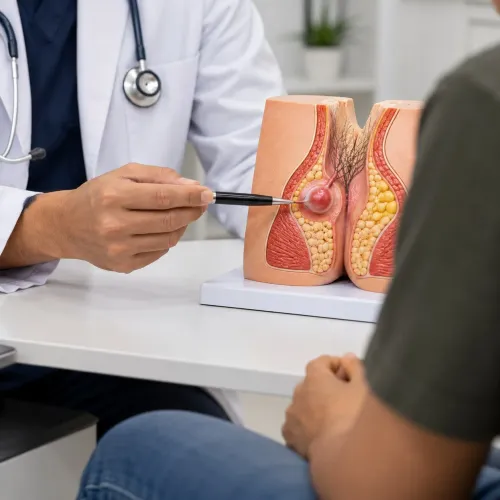

Patients researching piles, fissures, fistulas, and pilonidal disease increasingly encounter the term Laser Proctology. Laser-assisted techniques have become part of the range of procedures available for selected anorectal conditions, but deciding to use them requires more than choosing a technology.
The appropriate procedure depends on diagnosis, disease severity, anatomy, previous treatment, and the surgeon's clinical assessment.
For patients in Nashik and surrounding areas of Maharashtra, knowing what should happen before, during, and after treatment can make the decision-making process more informed.
Assessment Comes Before the Laser
The first appointment should focus on establishing the diagnosis.
The surgeon may ask about bleeding, pain, constipation, swelling, discharge, previous abscesses, earlier operations, medicines, and other medical conditions.
An examination is then performed as appropriate. Some patients may require additional investigations depending on their symptoms and suspected condition.
Only after this assessment should procedural options be discussed.
Laser Procedures Differ by Condition
“Laser surgery” is not one single operation.
Laser energy can be incorporated into different procedures, and its purpose differs depending on whether the problem involves haemorrhoidal tissue, a fistula tract, a fissure-related procedure, or pilonidal sinus disease.
This is why patients should ask for the exact name and objective of the proposed procedure.
Preparation Depends on the Operation
Preoperative instructions can vary.
Patients may be asked about medicines, allergies, previous anaesthesia, diabetes, blood-thinning medicines, and other relevant health issues. Certain medicines should never be stopped without medical advice.
Instructions regarding eating, drinking, bowel preparation, and arrival time should be followed exactly as provided by the treating team.
Understand Anaesthesia and Discharge
The type of anaesthesia depends on the procedure and individual clinical requirements.
Some anorectal procedures may allow discharge within a relatively short period, while other cases require longer observation. This should be explained before treatment.
Having realistic expectations about mobility, discomfort, bowel movements, and return to routine activities is important.
Recovery Is Individual
Marketing descriptions sometimes make minimally invasive procedures sound as though recovery is identical for everyone. In practice, healing differs from patient to patient.
Recovery can be influenced by:
- Type and extent of disease
- Procedure performed
- Individual pain response
- Stool consistency
- Wound requirements
- General health
- Nature of work
- Adherence to postoperative advice
Ask your surgeon for an individualized estimate rather than relying on a generic recovery claim.
Know Which Symptoms Need Attention
After a procedure, patients should receive instructions about expected symptoms and warning signs.
Unexpected heavy bleeding, fever, worsening swelling, severe or increasing pain, difficulty passing urine, or other concerning symptoms should be reported according to the discharge instructions.
Follow-up appointments allow healing to be reviewed and questions to be addressed.
Shree Hospital in Nashik provides surgical assessment for anorectal conditions and can determine when minimally invasive or laser-assisted approaches may be appropriate.
The main advantage of seeking Laser Proctology care should not be the presence of a particular machine. What matters is whether the diagnosis is correct, the chosen procedure suits the condition, the surgeon explains alternatives and risks, and postoperative care is properly planned.
For patients preparing for treatment, those factors provide a more dependable basis for choosing care and setting realistic expectations about the procedure and recovery.
Keywords