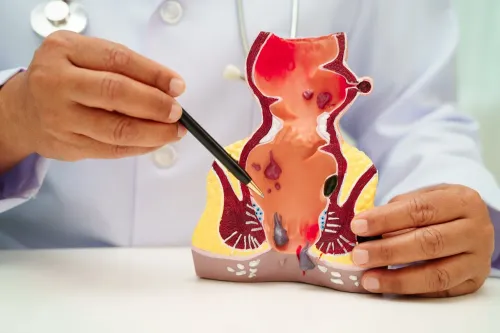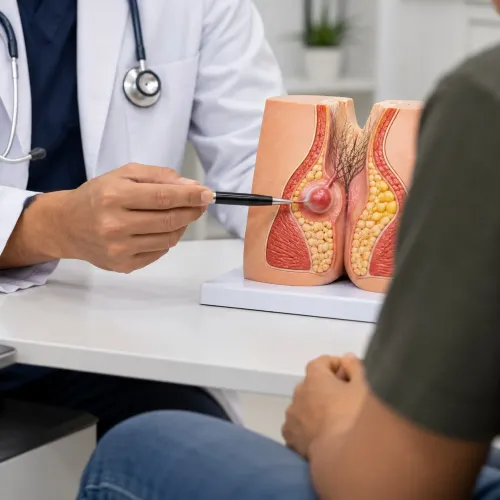

A pilonidal sinus is a condition that develops near the tailbone, usually containing hair, debris, and infected tissue beneath the skin. Although it often begins as a small swelling, delaying Pilonidal Sinus Treatment can lead to repeated infections and discomfort.
Young adults are commonly affected, especially those who sit for prolonged periods, have coarse body hair, or experience repeated friction in the lower back region. Residents of Nashik experiencing recurring swelling or discharge should seek evaluation before complications develop.
Early Signs of a Pilonidal Sinus
Symptoms may include:
- Pain near the tailbone
- Swelling between the buttocks
- Redness
- Pus or blood-stained discharge
- Bad odour from the affected area
- Difficulty sitting comfortably
Symptoms may improve temporarily before returning again.
Why Does It Develop?
Several factors may increase the likelihood of developing a pilonidal sinus:
- Prolonged sitting
- Excess body hair
- Repeated friction
- Poor local hygiene
- Obesity
- Family history in some individuals
Understanding these factors helps reduce recurrence after treatment.
Why Delaying Treatment Can Be Risky
Ignoring the condition may result in:
- Recurrent infections
- Abscess formation
- Increased pain
- Persistent discharge
- Larger affected areas requiring more extensive treatment
Early management is usually simpler than treating repeated infections.
How Is It Diagnosed?
Diagnosis generally involves:
- Medical history
- Physical examination
- Evaluation of sinus openings
- Assessment for infection
Imaging studies are required only in selected situations.
Available Treatment Options
Treatment depends on the severity of the condition.
Options may include:
- Antibiotics when infection is present
- Drainage of abscesses
- Surgical removal of the sinus
- Laser-assisted procedures for selected patients
The choice depends on clinical evaluation rather than patient preference alone.
Recovery and Prevention
Patients can support recovery by:
- Keeping the area clean and dry
- Following wound care instructions
- Managing body weight
- Avoiding prolonged sitting whenever possible
- Removing excess hair if recommended
- Attending follow-up appointments
These measures may also help reduce recurrence.
Finding Appropriate Care
People across Nashik have access to modern surgical care for pilonidal disease, including minimally invasive approaches where appropriate.
Shree Hospital evaluates each patient individually to determine the most suitable management strategy based on the severity and characteristics of the condition. Those researching available surgical options may also refer to drshripadupasani.com for educational information before consultation.
Prompt treatment can reduce repeated infections, improve comfort, and help patients return to normal daily activities with fewer interruptions.
Keywords