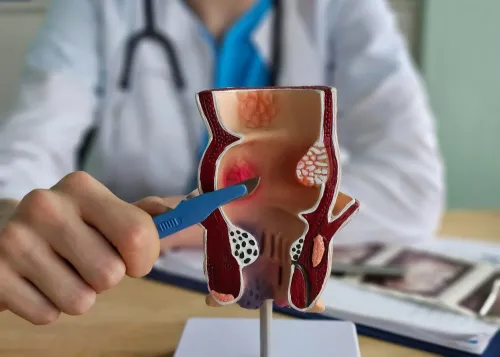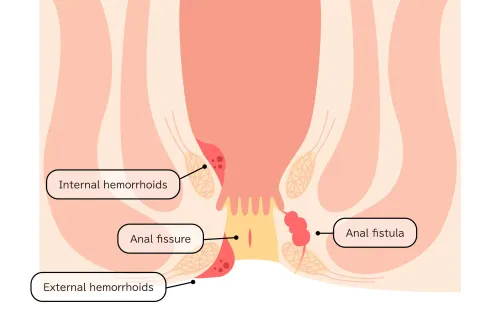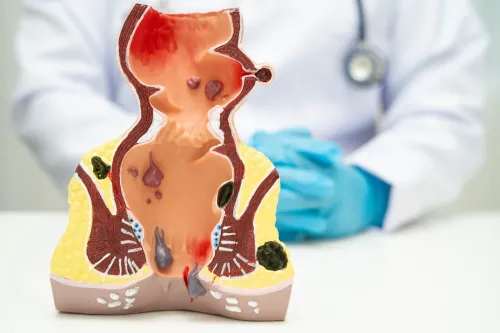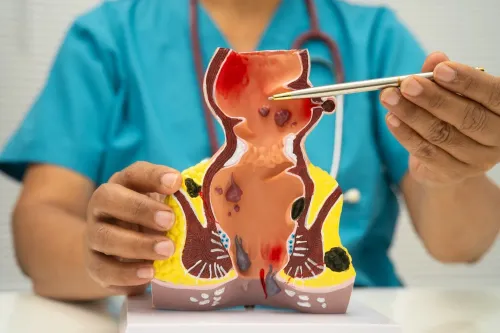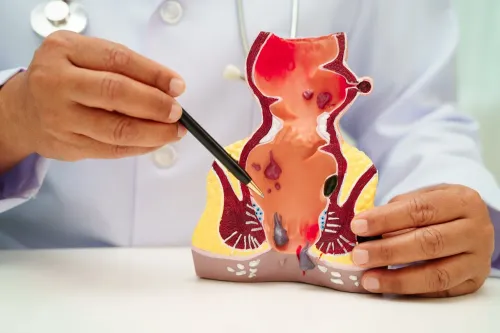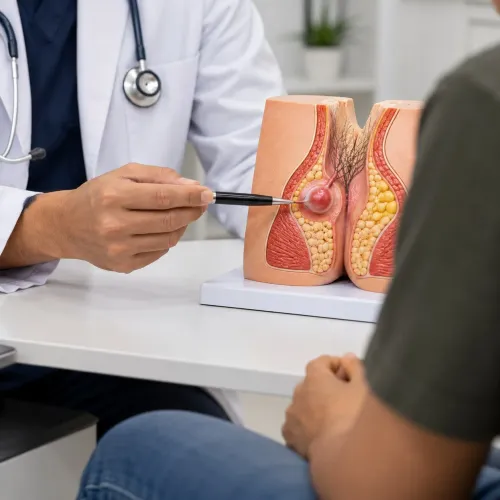
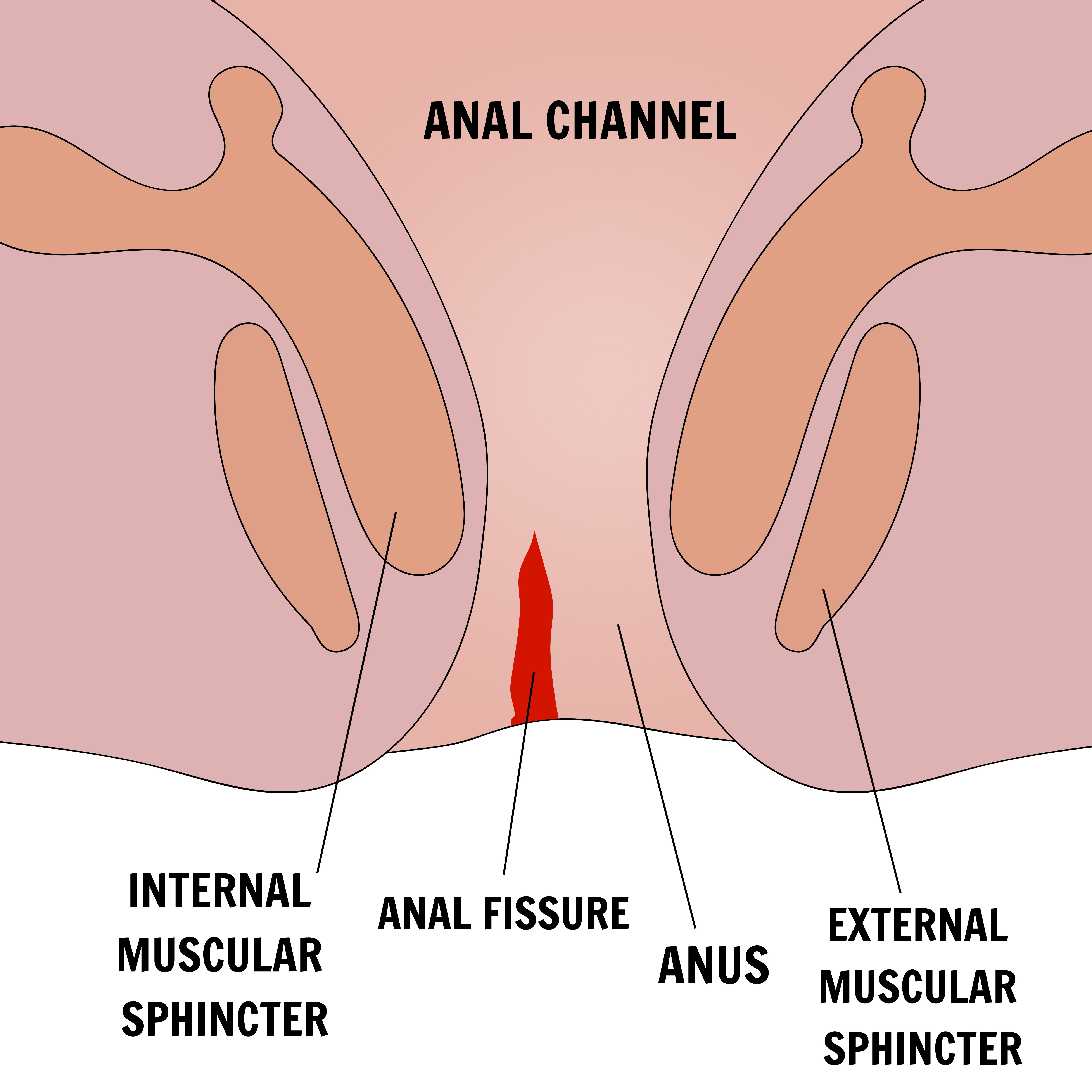
An anal fissure can make every bowel movement stressful. The sharp pain may last for minutes or longer after passing stool, and fear of pain can cause some patients to delay going to the toilet, potentially worsening constipation. When symptoms continue despite appropriate conservative treatment, Fissure Laser Treatment may be discussed as one of the procedural options for selected patients.
The decision should be based on the duration, severity, examination findings, and response to previous treatment.
Acute Fissures Often Start With Conservative Management
A recently developed anal fissure may heal without surgery.
Management commonly focuses on making stools easier to pass and reducing repeated trauma to the anal canal. Depending on clinical advice, this can involve dietary fibre, adequate hydration, bowel-habit changes, sitz baths, stool-softening measures, and prescribed medicines.
Patients should avoid excessive straining and should not repeatedly postpone bowel movements because of fear of pain.
Chronic Fissures Need Reassessment
A fissure that persists or repeatedly returns may become chronic. Examination may reveal changes associated with a long-standing fissure, and ongoing muscle spasm can contribute to continuing symptoms in some patients.
At this stage, simply repeating over-the-counter creams may not address the underlying problem.
A surgeon can review whether conservative treatment has been used adequately and whether a procedural approach is appropriate.
What Does Laser Treatment Aim to Address
Laser-assisted treatment may be incorporated into management for selected chronic fissure cases. The exact technique varies, so patients should ask what will actually be done rather than assuming all procedures described as “laser” are identical.
The surgeon should explain how the procedure relates to the patient's fissure, what anaesthesia is planned, and what recovery may involve.
Compare the Alternatives Carefully
Laser treatment is not the only possible procedural approach to chronic anal fissure.
Depending on clinical findings, other surgical techniques may be considered. Every option has potential benefits and risks, including issues related to pain, healing, recurrence, and bowel control.
A balanced discussion is particularly important before any procedure involving the anal sphincter.
Questions Worth Asking Before Treatment
Patients considering intervention can ask:
- Is my fissure acute or chronic?
- Have conservative options been adequately tried?
- Why is a procedure recommended now?
- What exactly will the laser procedure involve?
- What are the alternatives?
- What risks are relevant in my case?
- How should I manage bowel movements after treatment?
- When will follow-up take place?
Clear answers make it easier to make an informed decision.
Recovery Still Requires Good Bowel Habits
Even after successful treatment, constipation and repeated straining can continue to cause anorectal problems.
Patients may therefore be advised to maintain suitable fibre and fluid intake and follow prescribed bowel-management measures during recovery.
People in Nashik and nearby areas of Maharashtra who have persistent fissure symptoms can seek assessment at Shree Hospital to determine whether continued medical management or a procedural option is appropriate.
The value of Fissure Laser Treatment should be judged by its suitability for the individual case rather than by the technology alone. Proper diagnosis, realistic expectations, appropriate procedure selection, and attention to bowel habits remain central to managing chronic fissure symptoms.
Keywords