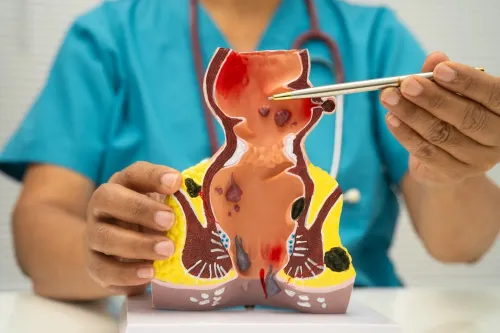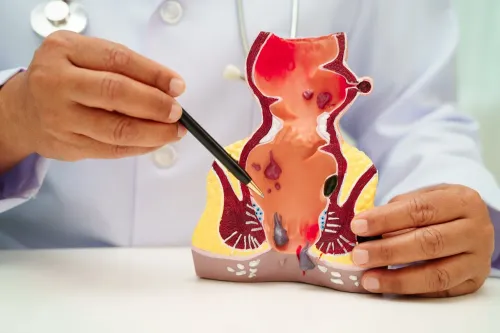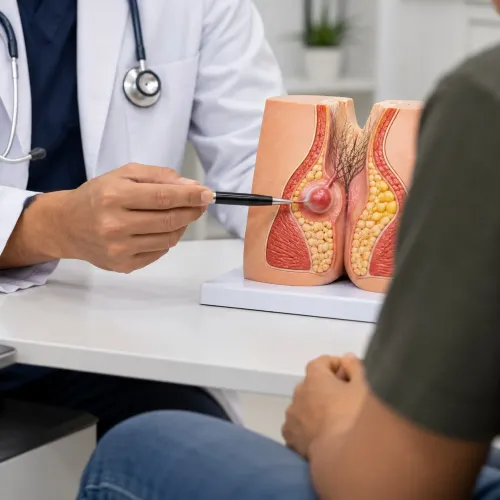

Anal pain is a symptom many people hesitate to discuss, often assuming it will improve on its own. While temporary discomfort can occur due to constipation or minor irritation, persistent or recurring pain deserves medical attention. Seeking timely evaluation from an Anorectal Specialist can help identify the underlying cause and prevent complications.
People in Nashik and across Maharashtra frequently delay treatment because of embarrassment or fear of surgery. However, advances in diagnosis and minimally invasive treatment have made managing anorectal conditions much more comfortable than many expect.
Common Causes of Anal Pain
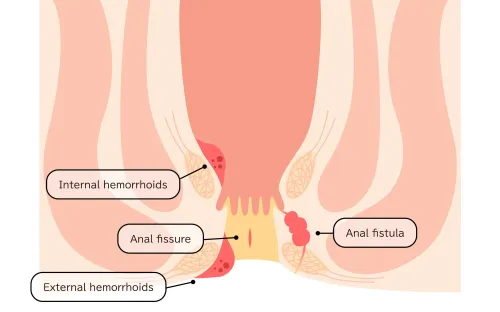
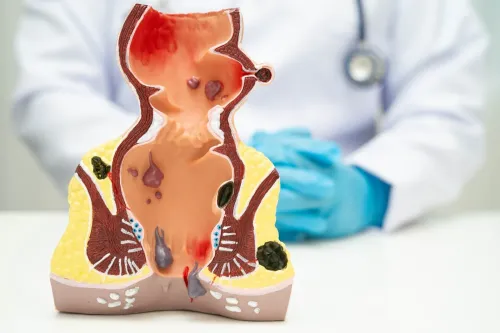
Anal pain can result from several medical conditions, including:
- Anal fissures
- Hemorrhoids (piles)
- Anal fistulas
- Perianal abscesses
- Pilonidal sinus
- Skin infections
- Inflammatory bowel diseases
Each condition requires a different treatment approach. Identifying the exact cause is the first step toward effective relief.
Signs That Should Not Be Ignored
Although occasional discomfort may not always indicate a serious condition, you should consult a specialist if you experience:
- Pain lasting more than a few days
- Bleeding during bowel movements
- Swelling around the anus
- Persistent itching or irritation
- Discharge or pus
- A lump near the anal opening
- Difficulty sitting because of pain
- Fever along with anal swelling
Ignoring these symptoms may allow the condition to worsen, making treatment more complicated.
How an Anorectal Specialist Helps
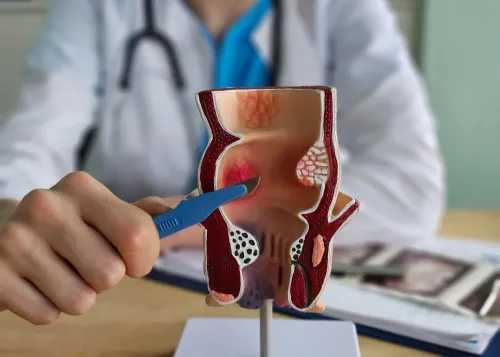
An anorectal specialist focuses on diseases affecting the rectum and anal canal. The evaluation typically includes:
- Reviewing your medical history
- Understanding bowel habits
- Physical examination
- Digital rectal examination when appropriate
- Additional diagnostic tests if required
Most evaluations are straightforward and help determine whether conservative treatment or surgery is necessary.
Why Early Diagnosis Matters
Early diagnosis offers several advantages:
- Better symptom control
- Reduced risk of infection
- Prevention of chronic complications
- Less invasive treatment in many cases
- Faster return to normal activities
Conditions such as fistulas or abscesses may progress if treatment is delayed, while chronic fissures can become increasingly painful over time.
Everyday Habits That Support Anal Health
Simple lifestyle measures can reduce the risk of several anorectal problems.
These include:
- Drinking adequate water daily
- Eating fibre-rich foods
- Avoiding prolonged constipation
- Limiting excessive straining during bowel movements
- Exercising regularly
- Maintaining good hygiene
- Avoiding sitting continuously for long hours
These habits also support recovery after treatment.
Modern Treatment Options
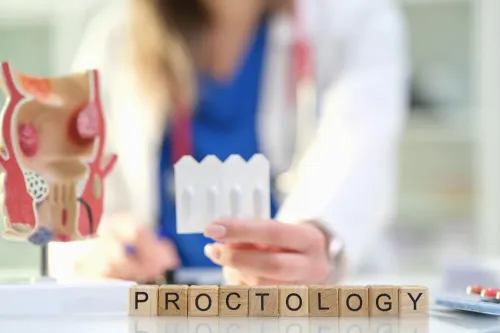
Depending on the diagnosis, treatment may include:
- Dietary modifications
- Medications
- Sitz baths
- Office-based procedures
- Laser-assisted treatment
- Conventional surgery when medically indicated
The most appropriate option depends on the patient's condition rather than a one-size-fits-all approach.
Choosing Care in Nashik
Residents of Nashik benefit from access to advanced surgical care closer to home. Clinics equipped with modern diagnostic facilities and minimally invasive techniques can help patients receive timely treatment without unnecessary delays.
Shree Hospital evaluates patients with a wide range of anorectal conditions, providing individualized treatment plans based on clinical findings rather than symptoms alone. Information about available services can also be found on drshripadupasani.com for those looking to understand different treatment approaches before scheduling an evaluation.
Persistent anal pain should never be considered a normal part of life. Early consultation with an experienced specialist often leads to quicker diagnosis, appropriate treatment, and improved quality of life.
Keywords