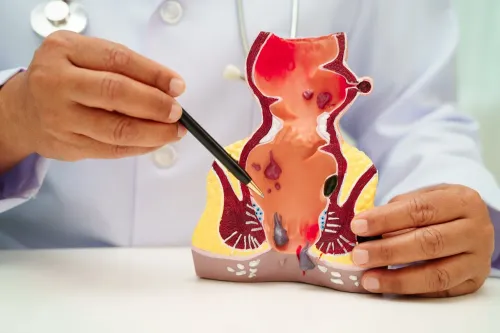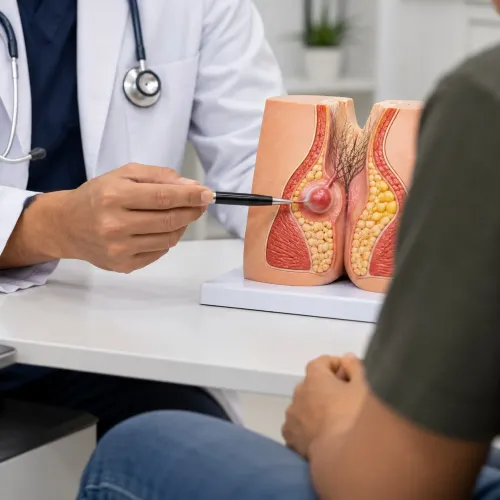

Piles are common, but many people delay seeking medical advice because they assume that bleeding, itching, swelling, or discomfort will settle on its own. Mild symptoms can sometimes improve with dietary and bowel-habit changes, but persistent or recurring problems deserve proper evaluation at a Piles Clinic.
For patients in Nashik, Maharashtra, understanding when symptoms require medical attention can help distinguish uncomplicated piles from fissures, fistulas, infections, and other conditions that may produce similar complaints.
Understanding What Piles Are
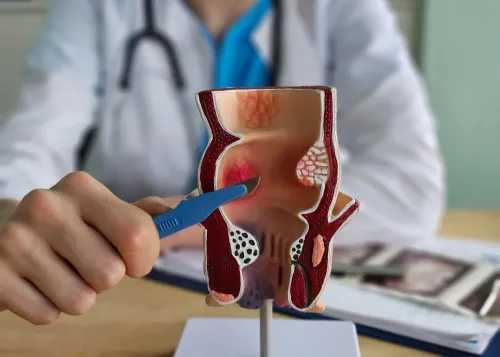
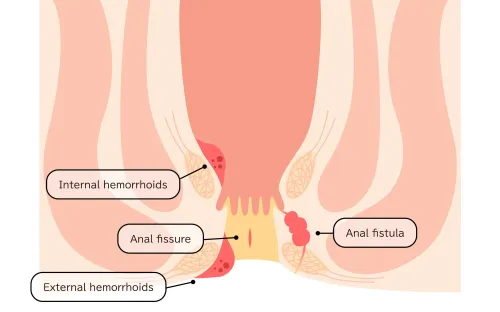
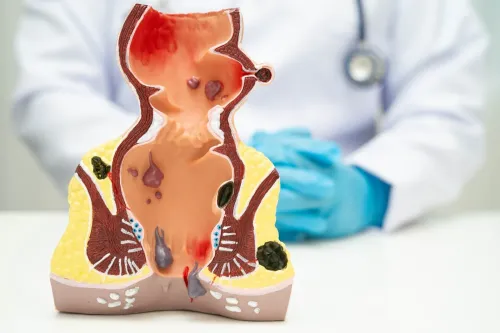
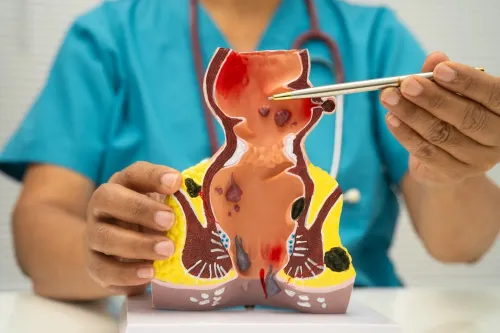
Piles, also called haemorrhoids, are swollen vascular tissues around the anus or lower rectum. They may develop internally or externally and can cause different symptoms depending on their location and severity.
Common complaints include:
- Bright red bleeding during bowel movements
- Itching or irritation around the anus
- A lump or swelling near the anal opening
- Pain or discomfort while sitting
- A feeling of incomplete evacuation
- Mucus discharge in some cases
Bleeding should not automatically be assumed to be caused by piles. Several gastrointestinal and anorectal conditions can cause rectal bleeding, which is why diagnosis matters.
When Home Measures May Be Reasonable
Occasional mild symptoms associated with constipation may improve after correcting bowel habits. Increasing fibre gradually, drinking adequate fluids, staying physically active, and avoiding prolonged straining can support easier bowel movements.
Spending unnecessary time on the toilet may also increase pressure in the anal region. Developing a regular bowel routine and responding to the natural urge to pass stool can be helpful.
These measures, however, do not replace medical assessment when symptoms persist.
Signs That Deserve Medical Evaluation
Consider arranging an examination when bleeding repeatedly occurs, pain becomes significant, a lump remains outside the anus, symptoms interfere with daily activities, or previous episodes continue returning.
Prompt assessment is particularly important if bleeding is heavy, stools appear black, pain is severe, fever develops, or you experience unexplained weakness, weight loss, or a marked change in bowel habits.
A clinician can assess whether the symptoms are related to haemorrhoids or another condition.
Why Diagnosis Comes Before Treatment
Not every patient with rectal discomfort requires surgery. Treatment depends on the type and grade of haemorrhoids, symptom severity, bowel habits, previous treatment, and findings during examination.
An evaluation may involve a medical history, physical examination, and appropriate anorectal assessment. Further investigation may be recommended when symptoms or individual risk factors indicate that another cause needs to be excluded.
At Shree Hospital in Nashik, patients seeking assessment for anorectal complaints can discuss their symptoms with a clinician before deciding whether conservative management, an office-based procedure, or surgery is appropriate.
Treatment Should Match the Individual Problem
Early-stage haemorrhoids may sometimes be managed with dietary changes, constipation management, medicines, and other conservative measures. More persistent or advanced cases may require procedural treatment.
Laser and other surgical techniques are available for selected anorectal conditions, but the word “laser” should not be treated as a universal solution. The appropriate procedure depends on the actual diagnosis and clinical findings.
The most useful first step is therefore not choosing a procedure from an advertisement. It is establishing why the symptoms are occurring.
For people across Nashik and surrounding areas of Maharashtra, a timely consultation at a Piles Clinic can provide clarity about persistent symptoms and help determine an appropriate treatment pathway based on examination rather than assumptions.
Keywords