
Pain around the anal region is a symptom many people hesitate to discuss. Embarrassment often leads to delayed treatment, allowing what may have started as a minor condition to become more painful and difficult to manage. While occasional discomfort may resolve on its own, persistent or severe pain deserves medical attention.
If you are searching for an Anal Pain Doctor in Nashik, understanding the possible causes can help you decide when professional evaluation is necessary.
What causes anal pain?
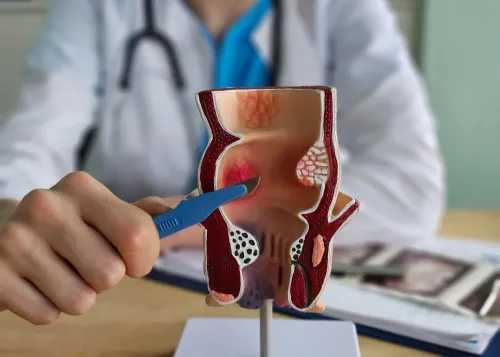
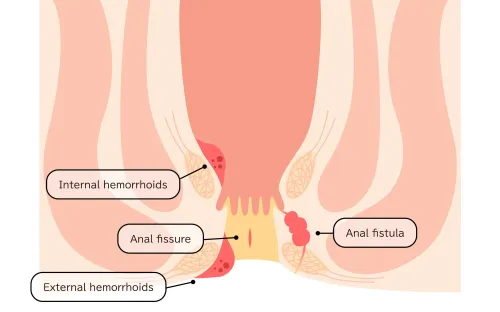
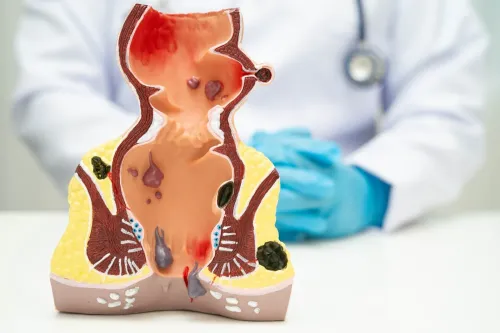
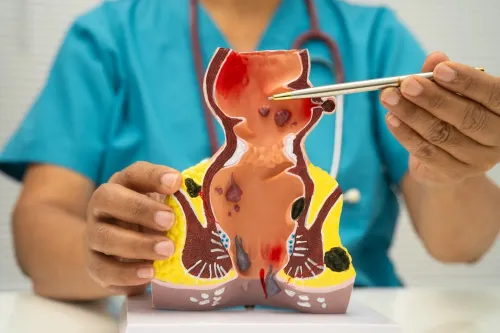
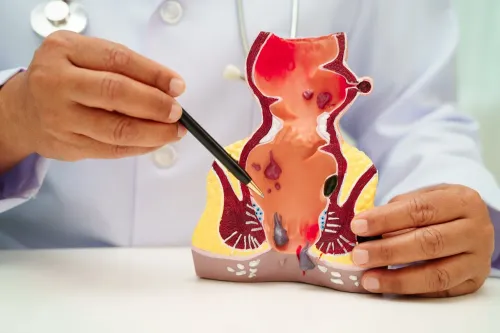
Anal pain is a symptom rather than a disease. Several conditions may be responsible, including:
- Anal fissures
- Piles (hemorrhoids)
- Anal fistula
- Abscesses
- Pilonidal sinus
- Skin infections
- Inflammatory bowel diseases
- Muscle spasms
Because many of these conditions share similar symptoms, self-diagnosis is often inaccurate.
Symptoms that should not be ignored
Medical evaluation is recommended if you experience:
- Pain during bowel movements
- Persistent burning sensation
- Bleeding from the anus
- Swelling near the anal opening
- Pus discharge
- Fever with anal pain
- Difficulty sitting comfortably
- Recurring pain despite home remedies
Ignoring these symptoms may delay appropriate treatment.
Is every case related to piles?
No. One of the biggest misconceptions is that all anal pain is caused by piles.
In reality:
- Fissures usually cause severe cutting pain.
- Fistulas may cause pus discharge.
- Abscesses often produce swelling and fever.
- Pilonidal disease develops near the tailbone.
- Infections may present with redness and tenderness.
Each condition requires a different treatment approach.
What happens during the consultation?
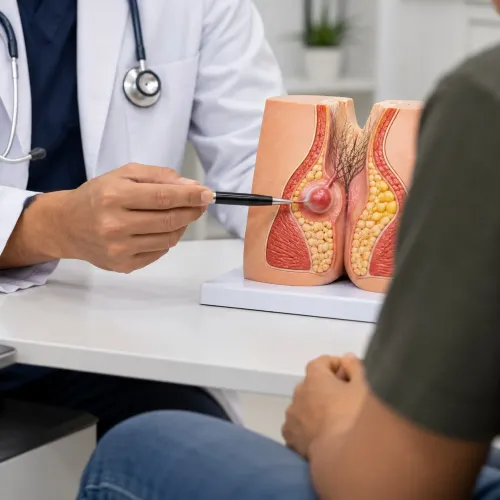
Many patients worry about the examination itself. In most cases, the consultation begins with a detailed discussion about symptoms, bowel habits, medical history, and previous treatments.
The doctor may perform:
- Physical examination
- Visual inspection
- Gentle local examination
- Additional investigations only if necessary
Most evaluations are completed within a short visit.
Can treatment be non-surgical?
Yes. Many patients improve without surgery.
Depending on the diagnosis, treatment may include:
- Medicines
- Dietary modifications
- Sitz baths
- Fiber supplements
- Antibiotics
- Pain management
- Lifestyle changes
Surgical or laser procedures are considered only when conservative measures are unlikely to provide lasting relief.
Lifestyle habits that support recovery
Regardless of the diagnosis, healthy bowel habits play an important role.
Doctors commonly recommend:
- High-fiber meals
- Plenty of water
- Regular physical activity
- Avoiding prolonged sitting
- Timely bowel movements
- Good personal hygiene
These habits often improve symptoms while reducing recurrence.
Why delaying treatment can be risky
Ignoring persistent anal pain may result in:
- Chronic fissures
- Worsening infection
- Formation of abscesses
- Progression of fistulas
- Increased discomfort during daily activities
Seeking medical advice early often allows simpler treatment with better outcomes.
Finding the right care in Nashik
People living in Nashik frequently search for specialists after weeks of discomfort because they hope symptoms will disappear naturally. While some conditions do improve, others require prompt diagnosis to prevent complications.
An experienced Anal Pain Doctor in Nashik evaluates symptoms carefully before recommending treatment. At Shree Hospital, patients receive an assessment aimed at identifying the underlying cause so that treatment addresses the actual problem rather than only relieving pain temporarily.
Keywords