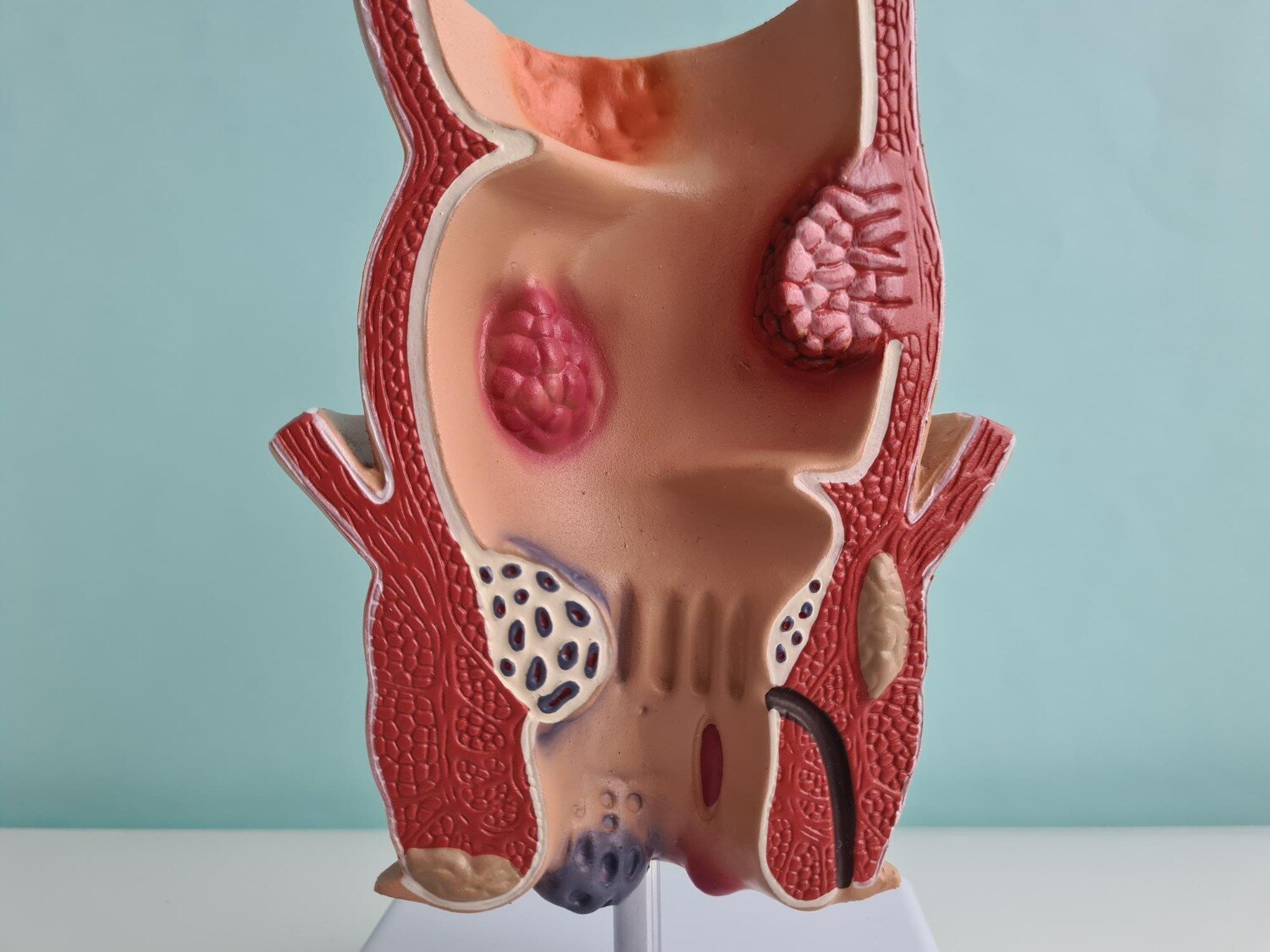
A skin opening that closes and reopens, renewed swelling, pus, or throbbing pain after treatment needs more than watchful waiting. You will learn how to judge the urgency, distinguish fistula recurrence from similar conditions, prepare for assessment, and decide whether laser treatment is suitable for the tract involved.
Key takeaways
- Book promptly for recurring drainage, swelling, pain, or a reopening skin opening.
- Seek same-day care for fever, spreading redness, severe pain, or rapid swelling.
- MRI or examination under anaesthesia can map hidden or branching fistula tracts.
- Laser treatment suitability depends on the fistula’s route, openings, and prior procedures.
Which recurrent symptoms need an appointment, same-day care, or emergency help?
A recurrence means a new lump, increasing pain, redness, warmth, swelling, pus or blood drainage, foul odour, or a skin opening that repeatedly closes and reopens after treatment. Recurring drainage or swelling needs a prompt appointment with a colorectal surgeon or an experienced general surgeon.
| Situation | What to do | Why it matters |
|---|---|---|
| Recurring drainage, swelling, or a reopening skin hole | Arrange a prompt appointment | The fistula may still have an infected or blocked tract |
| Fever, chills, rapidly worsening swelling, severe constant pain, spreading redness, pus with a generally unwell feeling, or difficulty passing urine | Seek same-day medical assessment | These signs can indicate a perianal abscess or spreading infection |
| Severe deterioration, unbearable pain, confusion, faintness, or inability to pass urine | Go to an emergency department now | Infection or pressure may require urgent drainage and treatment |
Intermittent drainage does not prove healing. The external opening can close while infection and pressure remain trapped, then reopen as swelling or pain returns. Anal fistula emergency symptoms deserve assessment even if the opening has started draining again.
If you are deciding when to see a laser fistula doctor, prioritise a colorectal surgeon or general surgeon with substantial fistula-in-ano experience; “laser fistula doctor” is not a separate specialty. Antibiotics alone do not usually cure an established fistula or abscess.
A perianal abscess commonly requires drainage before definitive fistula treatment, with antibiotics added when systemic infection or spreading cellulitis is present.
How can you tell a recurrent fistula from hemorrhoids or another anal problem?
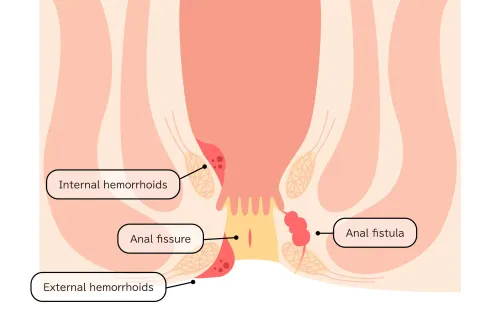
You cannot reliably distinguish a recurrent fistula from hemorrhoids by symptoms alone. A fistula or hemorrhoids can both cause discomfort, bleeding, or a lump, but their patterns differ.
- Hemorrhoids more often cause bright-red bleeding, itching, or a lump linked to bowel movements.
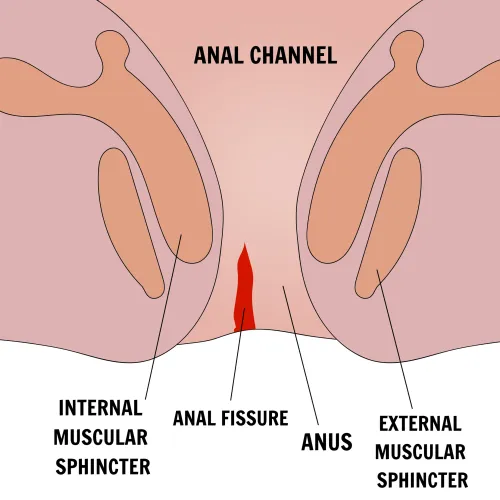
- Anal fissure symptoms include sharp, tearing pain during and after passing stool.
- Perianal abscess symptoms include a tender, hot, enlarging swelling with constant pain.
- Hidradenitis suppurativa can produce recurrent boils or multiple openings in the groin, buttocks, or armpits.
- Diarrhoea and dermatitis cause broader surface soreness, burning, or raw skin rather than one recurring drainage point.
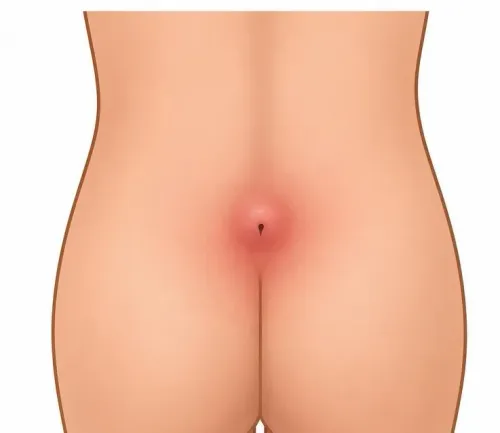
A clinician must inspect the area because these conditions can coexist, and a fistula may look like a small pimple or draining spot. Examination also helps identify an abscess hidden beneath a temporarily closed opening.
Arrange assessment when symptoms recur at the same site, drainage smells foul, or a lump repeatedly settles and returns. Intermittent drainage does not prove healing: the external opening can close while infection and pressure build underneath, leading to renewed swelling or another abscess. Do not repeatedly probe or squeeze the area yourself.
What should the surgeon look for at a recurrent-fistula consultation?
A “laser fistula doctor” describes a treatment interest, not a separate recognised specialty. For a recurrent fistula consultation, prioritise a colorectal surgeon or general surgeon with substantial fistula-in-ano experience. The important qualification is experience locating the tract, internal opening, sphincter involvement, and reason for recurrence.
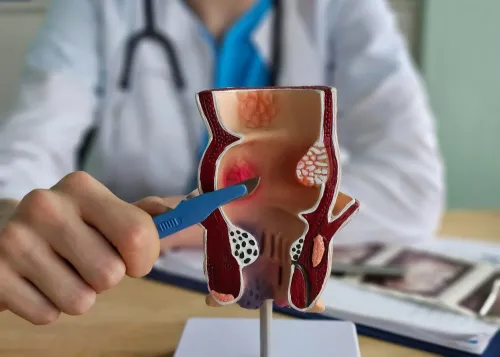
The first visit starts with a detailed symptom and operation history: when pain, swelling, drainage, bleeding, fever, and closing or reopening began, plus every previous procedure. During an anal fistula examination, the surgeon inspects for an external opening, redness, drainage, tenderness, or an abscess.
A digital rectal examination is appropriate when it can be performed safely and comfortably.
The surgeon is looking for a blocked external opening, a missed internal opening, a branching or high tract, persistent infection, inadequate drainage, Crohn disease, or impaired wound healing. These findings explain why an opening repeatedly closes and pressure builds again.
Knowing what records to bring prevents missing important details. Take:
- Operative notes from every fistula procedure or abscess drainage
- MRI or ultrasound reports and image discs, if available
- Pathology results, antibiotic names, and the dates of drainage or surgery
- A symptom timeline recording each episode of pain, swelling, drainage, and recurrence
Do not rely on memory alone. A clear timeline helps the surgeon distinguish persistent disease from a genuinely new episode and choose safer next steps.
When do MRI, ultrasound, or examination under anaesthesia become important?
Imaging is not necessary for every simple fistula, but it becomes important when recurrence or complex anatomy makes the tract difficult to map.
- The disease has returned after drainage or surgery.
- The tract branches, forms a horseshoe shape, or runs high near the sphincter.
- Examination cannot define the external or internal opening.
- Crohn disease and anal fistula are suspected.
- The wound heals slowly or drainage continues despite treatment.
A pelvic MRI fistula protocol can show the main tract, abscesses, and secondary tracts hidden from surface examination. Those missed branches can keep infection active and cause repeat treatment failure. An endoanal ultrasound can add detail about the tract’s relationship to the anal sphincter.
An examination under anaesthesia fistula assessment is useful when pain prevents an adequate office examination or the internal opening remains uncertain. Anaesthesia allows careful inspection and probing without forcing the patient through severe pain. Do not allow repeated casual probing: forceful probing can create a false passage and make the anatomy harder to interpret.
Ask for gastrointestinal evaluation if you have chronic diarrhoea, abdominal pain, unexplained weight loss, mouth ulcers, perianal skin tags, or another fistula, even without a previous Crohn disease diagnosis. Multiple, recurrent, or unusually slow-healing fistulas strengthen that concern.
An MRI or examination under anaesthesia should be chosen for a specific unanswered question, not ordered automatically for every straightforward case.
How is laser suitability decided after recurrence?
Recurrence alone does not decide laser fistula treatment suitability; the key question is how much anal sphincter the tract crosses. A simple, low tract often suits fistulotomy, while dividing substantial muscle can raise continence risk and favour sphincter-sparing fistula treatment.
| Option | Main purpose | When it may fit |
|---|---|---|
| Fistulotomy | Opens the tract to heal from the base | Simple, low fistulas with limited sphincter involvement |
| Draining seton | Keeps the tract open and controls sepsis | Abscess, active infection, or a need for staged treatment |
| LIFT or advancement flap | Closes the internal opening without dividing major sphincter muscle | High or sphincter-crossing fistulas |
| FiLaC or similar laser | Contracts or closes the tract from within | Selected anatomy where sphincter preservation is important |
A draining seton is not proof of permanent cure. It controls infection while the next treatment is planned. FiLaC for recurrent fistula is not a guaranteed one-session cure: an undrained abscess, missed side branch, unidentified internal opening, or active Crohn inflammation can undermine closure.
Ask the surgeon:
- What happens if the tract is high, branched, or contains an abscess?
- Do I need pelvic MRI or examination under anaesthesia?
- How will you assess continence before treatment?
- Which alternatives are available if laser fails?
At Shree Hospital in Nashik, ask these questions before choosing among laser, seton LIFT advancement flap, or another staged procedure; a specialist consultation should match the operation to your anatomy, not advertise laser as suitable for everyone.
Related services
Pile Fissure and Fistula Living with an anal fistula can be painful, uncomfortable, and emotionally distressing. View service → |
Pile Fissure and Fistula Anal fistula is a painful and recurring condition that can affect your comfort, confidence, and daily routine. View service → |
Frequently asked questions
Which recurrent fistula symptoms need an appointment, same-day care, or emergency help?
Book a prompt appointment for recurring drainage, swelling, pain, redness, warmth, foul odour, bleeding, or a skin opening that closes and reopens. Seek same-day care for fever, rapidly increasing swelling, spreading redness, or worsening pain. Emergency help is appropriate for severe illness, fainting, confusion, or uncontrolled bleeding.
How can you tell a recurrent fistula from hemorrhoids or another anal problem?
A recurrent fistula often causes a repeatedly reopening skin opening, persistent or intermittent pus drainage, foul odour, and a lump that swells before draining. Hemorrhoids more often cause bright-red bleeding, itching, or a tender anal lump without a recurring external opening. A surgeon’s examination is needed because symptoms can overlap.
What should a surgeon look for during a recurrent-fistula consultation?
The surgeon should assess the external opening, drainage, tenderness, redness, swelling, scars, and the location of any internal opening. They should also review previous operations, healing, recurrence timing, continence symptoms, and possible Crohn’s disease or other causes.
When do MRI, ultrasound, or examination under anaesthesia become important?
Imaging or examination under anaesthesia becomes important when the tract is deep, branching, recurrent, difficult to feel, associated with an abscess, or close to the anal sphincter. MRI can map extensions; endoanal ultrasound can assess the tract and sphincter; examination under anaesthesia allows a more complete assessment when pain prevents an office examination.
How is laser suitability decided after fistula recurrence?
A surgeon decides after identifying the tract’s length, openings, branches, abscesses, sphincter involvement, and previous treatment changes. Laser treatment is not suitable for every recurrent fistula, so the surgeon must compare it with options that address infection and protect continence.
Related service
Pile Fissure and Fistula Ksharsutra Treatment for Fistula An anal fistula is a painful and recurring condition that can significantly affect daily life and comfort. View service → |