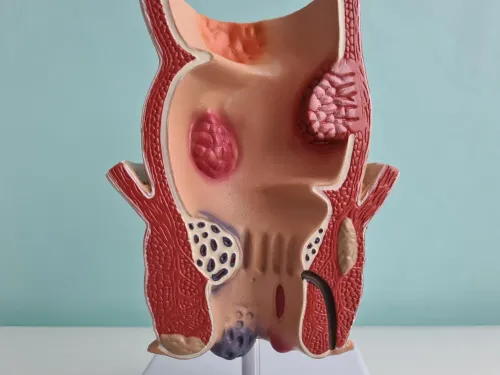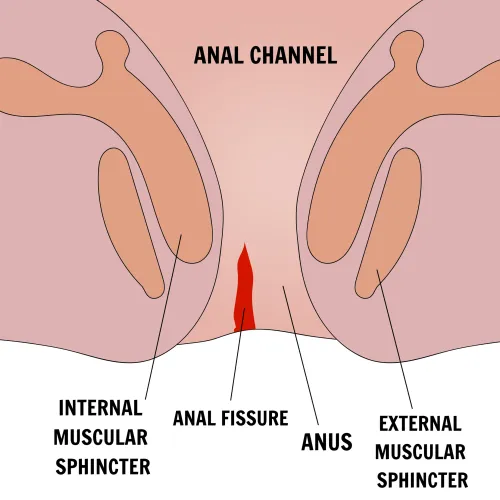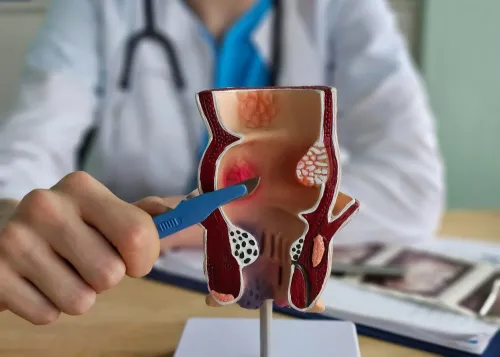
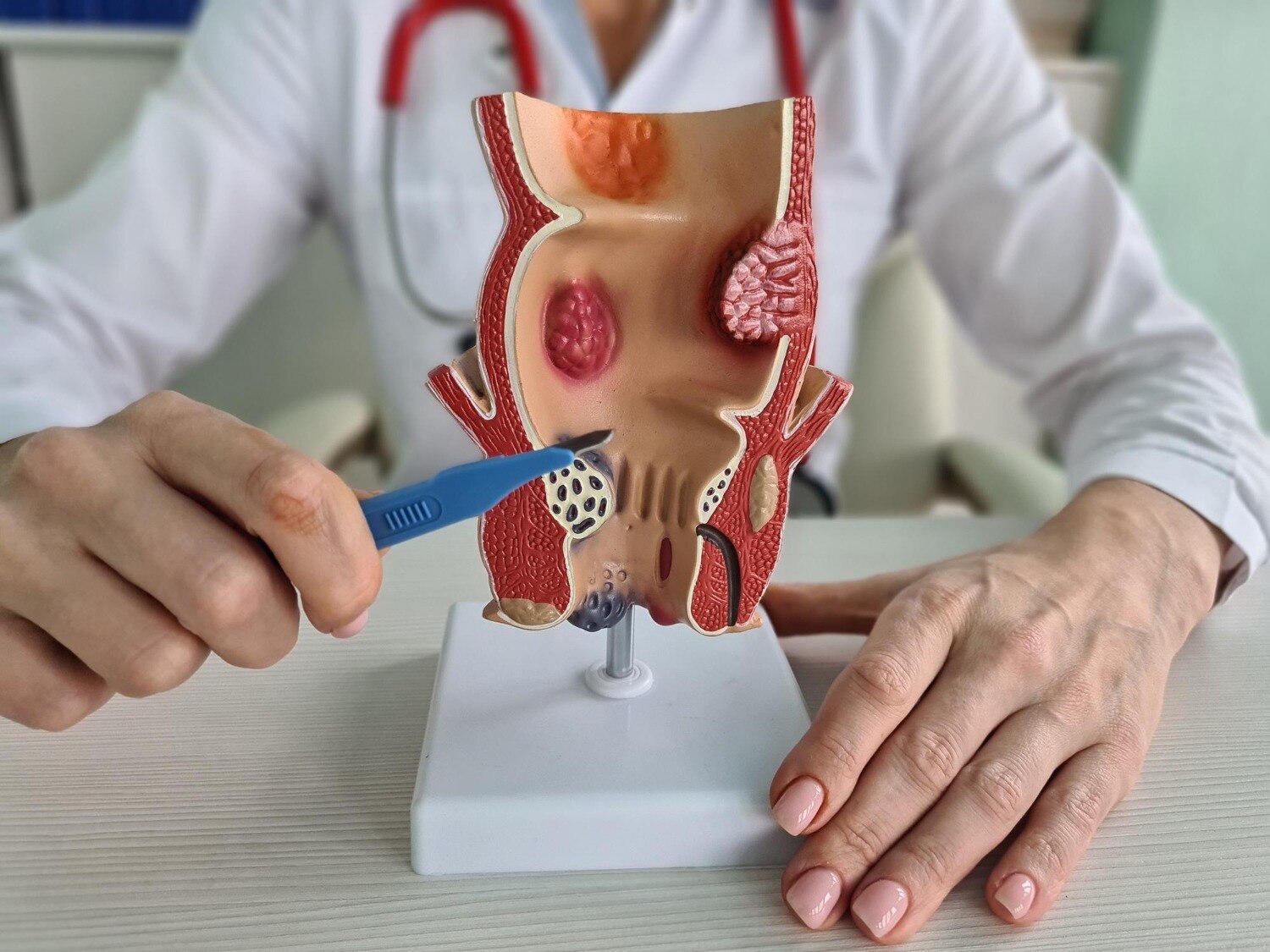
The right clinic should do more than promote a named procedure: it should confirm the diagnosis, match treatment to your anatomy and health history, and explain what happens if the first plan fails. Use the checklist below to compare clinicians, facilities, safety arrangements, costs, and follow-up before you consent.
Key takeaways
- Verify the clinician’s training and experience with anorectal conditions.
- Ask which examination and tests confirm your diagnosis.
- Compare treatment risks, anaesthesia plans, follow-up, and total costs.
- Choose a clinic with clear instructions for urgent problems after treatment.
Start With the Clinician and the Diagnosis
Before booking treatment, verify two things: the clinician’s training and the evidence supporting the diagnosis. A doctor calling themselves a proctologist does not, by itself, prove specialist expertise.
1. Ask for the doctor’s full name, medical registration number, surgical qualification, and specific proctologist credentials. Confirm whether the clinician is a qualified colorectal surgeon or a general surgeon with documented experience treating your condition. Ask who will perform the examination and operation, rather than relying on the clinic’s advertised procedure name.
2. Insist on a physical examination for anorectal symptoms before consenting to treatment. This commonly includes inspection, a digital rectal examination, and anoscopy or proctoscopy when appropriate. The doctor should record what was found and explain why it indicates a fissure, piles, fistula, abscess, or another condition.
3. Ask what alternatives were considered and what would change the diagnosis. Bleeding, pain, discharge, or swelling can also arise from colorectal disease, inflammatory bowel disease, urinary or gynecological problems, sexually transmitted infections, or pelvic-floor disorders.
A responsible clinic refers you for colon evaluation, gastroenterology, urological, gynecological, or pelvic-floor assessment when the pattern does not fit isolated anorectal disease.
Do not accept an operation based only on symptoms or a quick visual check. For complex or recurrent fistulas, MRI of the pelvis or endoanal ultrasound is useful when the result will alter treatment; straightforward cases do not automatically require imaging.
If an abscess is suspected, ask whether drainage is needed, since antibiotics alone do not resolve the collection.
Check the Examination and Tests Behind the Recommendation
A credible clinic documents a physical diagnosis before recommending treatment. It should inspect the anus and surrounding skin, ask about bowel habits and bleeding, and perform a digital rectal examination when appropriate; anoscopy or proctoscopy can identify internal hemorrhoids, fissures, inflammation, polyps, or bleeding sources that an external view misses.
Ask these questions before accepting the label:
1. What did the examination show, and what other conditions were considered? Abscess, inflammatory bowel disease, colorectal cancer, and sexually transmitted infections can resemble piles, fissures, or fistulas. Fever, worsening pain, redness, swelling, pus, weight loss, anemia, or changed bowel habits require more investigation.
2. Why is each test needed? A complete blood count can assess blood loss; ultrasound or MRI pelvis can map an abscess or fistula. For a fistula, ask how much external sphincter muscle is involved and whether fistulotomy, a seton, a sphincter-sparing procedure, or staged treatment is being considered.
3. What is the plan for rectal bleeding? Do not accept “piles” without discussing your age, family history, bleeding pattern, screening status, weight loss, anemia, and bowel changes. A colonoscopy referral for rectal bleeding is appropriate when these findings or overdue screening raise concern.
The clinician should explain who performed the examination and arrange review if symptoms persist. Severe bleeding, black stools, fainting, inability to pass urine, fever, or rapidly spreading swelling needs urgent assessment rather than routine booking.
Match the Treatment to Your Condition and Risk Factors
A treatment is suitable only if it matches the diagnosis, severity, anatomy, and your risk of complications. Ask the clinician to explain what happens if you choose a slower option, an office procedure, conventional surgery, or laser treatment.
| Option | What to compare | When it applies |
|---|---|---|
| Conservative care | Fibre, stool-softening, topical medicines, hygiene, and time needed | First-line care for many fissures and uncomplicated hemorrhoids; ask what failure looks like |
| Office procedures | Anaesthesia, repeat sessions, pain, recurrence, and success for your hemorrhoid grade | Rubber-band ligation suits many grade I and II hemorrhoids and selected grade III cases |
| Conventional surgery | Wound pain, healing time, recurrence, continence risk, and the surgeon’s experience | Advanced internal-external hemorrhoids, persistent fissures, or fistulas requiring definitive treatment |
| Laser treatment | Ask laser treatment questions about the exact technique, evidence, recurrence, long-term results, and extra cost | Consider it only when the diagnosis and evidence support it, not because “laser” is advertised as universally safer |
| Ayurvedic options | Ingredients, practitioner qualifications, drug interactions, and whether treatment is complementary or replacing standard care | Never delay abscess drainage, significant bleeding assessment, or cancer evaluation |
For a fistula, insist on an explanation of fistula sphincter involvement. Fistulotomy, a seton, a sphincter-sparing procedure, or staged treatment may be appropriate; complex, recurrent, branching disease or Crohn disease can justify MRI or endoanal ultrasound.
For chronic anal fissure treatment, ask whether fibre, stool-softening, topical glyceryl trinitrate or a calcium-channel blocker come first, and discuss botulinum toxin or sphincterotomy alongside your continence risks. Severe pain, fever, spreading swelling, urinary retention, heavy bleeding, fainting, or black stools requires urgent assessment.
Assess Safety, Anaesthesia, and Follow-Up Before You Consent
Do not consent until the clinic can show who will operate, where complications will be treated, and how you will reach help after discharge. A polished procedure room does not prove that the team can manage heavy bleeding, infection, urinary retention, severe pain, or continence problems.
1. Ask for the operating surgeon’s name, relevant surgical training, credentialing, and experience with your specific condition. Confirm whether the same person will examine you, perform the operation, and handle complications.
2. Inspect the operating-room standards: a controlled procedure area, sterilised instruments, monitoring equipment, oxygen, suction, resuscitation equipment, and documented infection control. Ask where you would go if bleeding or infection required admission rather than a clinic review.
3. Clarify anaesthesia support before booking. Ask who administers anaesthesia, what monitoring continues during recovery, how urinary retention and uncontrolled pain are treated, and whether emergency arrangements include transfer to a hospital with inpatient and surgical backup.
4. Get the follow-up plan in writing. It should name the first review, an emergency telephone number, wound-care instructions, expected bowel symptoms, warning signs, and the clinician responsible for aftercare. Confirm access outside office hours.
Your consent discussion should cover expected benefit, alternatives including no procedure, recovery time, recurrence, bleeding, infection, urinary problems, and possible faecal or gas incontinence. A generic form or guaranteed-cure claim is a warning sign; choose a clinic that explains what happens if the operation fails or a complication develops.
Compare the Full Cost and the Clinic’s Ongoing Support
A low advertised procedure price is useful only if you know what it excludes. Request a written estimate showing the full anorectal treatment cost, including consultation, examination, imaging, anaesthesia, operating-room charges, medicines, hospital stay, dressings, follow-up visits, and treatment of complications.
| Item | Clinic A | Clinic B | What to verify |
|---|---|---|---|
| Procedure | Named operation and indication | Named operation and indication | Ask why this method fits your anatomy and disease severity |
| Included care | Tests, anaesthesia, medicines and reviews | Tests, anaesthesia, medicines and reviews | Identify every extra charge in writing |
| Aftercare | Contact person and review schedule | Contact person and review schedule | Check follow-up access after evenings, weekends and discharge |
| Failure or recurrence | Cost and plan for recurrence treatment | Cost and plan for recurrence treatment | Ask whether retreatment, referral or another operation is included |
| Referral | Named colorectal, gastroenterology, urology, gynaecology or pelvic-floor access | Named referral pathway | Confirm who manages symptoms outside the clinic’s scope |
Before booking, ask:
- Who will answer if bleeding, fever, urinary difficulty or uncontrolled pain develops after discharge?
- Which visits are included, and how quickly can the surgeon examine you?
- If the first procedure fails, who pays for the next assessment and what treatment options follow?
For example, compare Shree Hospital - 08048060809 with another clinic using the same questions, not the advertised technique alone. A clinic offering clear estimates, reachable clinicians and coordinated referrals can deliver better value even when its initial quote is higher.
Avoid any estimate that promises a result but leaves emergency care, repeat procedures or specialist referrals undefined.
Frequently asked questions
How can you assess an anorectal clinician’s expertise?
Check the clinician’s medical qualifications, specialist training, experience treating your condition, and willingness to explain the diagnosis and alternatives.
Which examinations and tests should support an anorectal diagnosis?
Ask whether the recommendation follows a physical examination and whether tests such as anoscopy, proctoscopy, colonoscopy, ultrasound, or blood tests are necessary for your symptoms.
How should you compare anorectal treatment options?
Match the treatment to the confirmed condition, symptom severity, previous treatments, medical history, medications, pregnancy status, and other risk factors.
What should you confirm before consenting to treatment?
Ask about the procedure, anaesthesia, complications, recovery time, warning signs, follow-up schedule, emergency contact, and the complete expected cost.