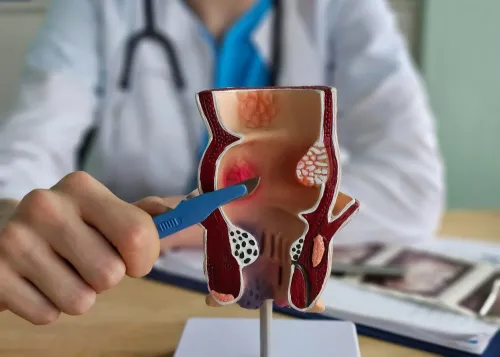
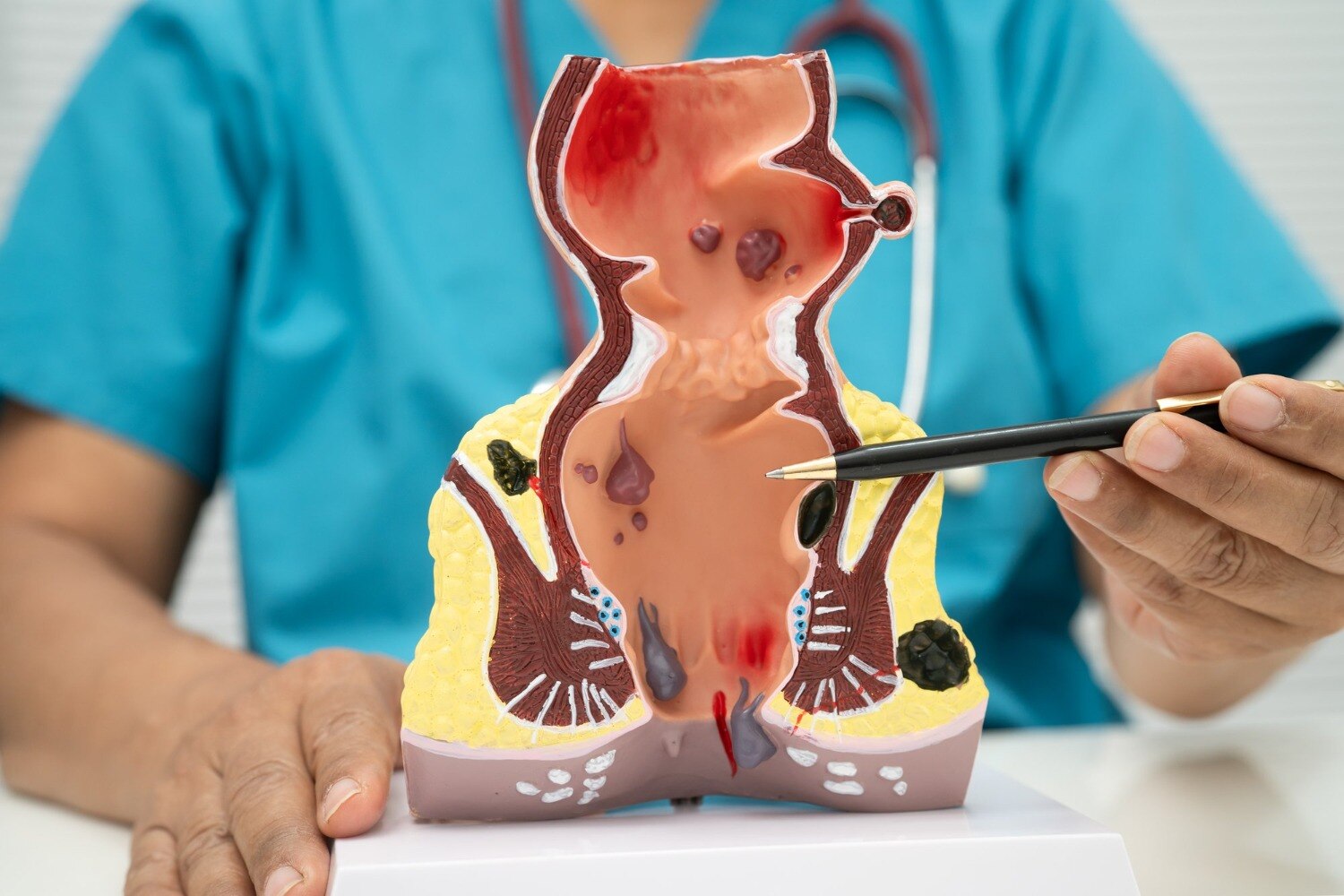
An anal fissure that keeps reopening, fails to heal, or produces symptoms beyond the expected healing period deserves more than repeated self-treatment. You will learn when to book a specialist appointment, which warning signs require prompt assessment, what the examination involves, and why some fissures need tests to confirm the diagnosis.
Key takeaways
- Seek evaluation after six weeks of persistent or recurring fissure symptoms.
- Get urgent care for heavy bleeding, fever, swelling, or severe worsening pain.
- Expect a symptom review and gentle examination focused on identifying the cause.
- Ask about tests when symptoms suggest Crohn’s disease, infection, or another condition.
When does an anal fissure become chronic?
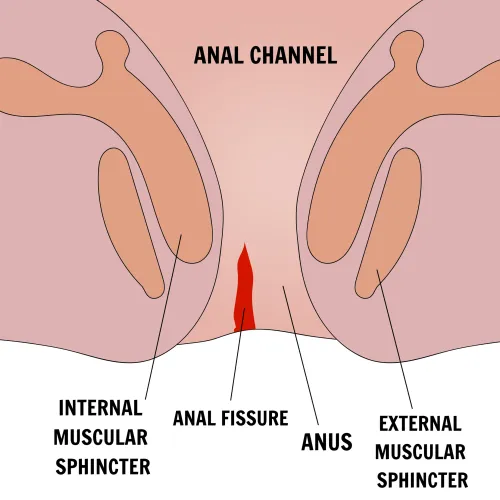
An anal fissure lasting 6 weeks or longer is generally considered a chronic anal fissure. The six-week mark is practical, not a reason to wait until the final day: symptoms that persist beyond the usual healing period, return after initial improvement, or barely change after 6–8 weeks of appropriate care need evaluation.
Appropriate conservative care includes fiber or prescribed stool-softening treatment, adequate fluids, avoiding straining, and warm sitz baths. If pain, tearing, or bleeding continues despite these measures, arrange a fissure specialist appointment instead of extending home treatment indefinitely.
Repeated episodes also matter. A recurrent anal fissure can reflect:
- Ongoing internal sphincter spasm that keeps the wound under tension
- Constipation that remains uncontrolled
- Diarrhea that repeatedly irritates the anal lining
- Inflammatory bowel disease
- An incorrect diagnosis, such as hemorrhoids, an abscess, or another anal lesion
Book an evaluation when symptoms have lasted several weeks, recur repeatedly, or fail to improve with prescribed care. A visible skin tag, pain that continues after bowel movements, repeated tearing, or a wound that does not close strengthens the case for assessment.
Chronic fissure treatment is not automatically surgery; confirming the cause first helps determine whether further medical treatment or another approach is appropriate.
Which symptoms need a routine specialist appointment, and which need urgent care?
Pain that continues after a bowel movement deserves a routine fissure-specialist appointment, especially when it persists for several weeks or keeps returning. Other anal fissure symptoms that warrant evaluation include:
- Recurrent tearing during or after stool passage
- Bright-red anal fissure bleeding on toilet paper or the stool surface
- Itching around the anus
- Anal spasms or tightening
- A visible sentinel skin tag or sentinel pile
- A wound that does not close
Do not wait for a routine appointment if you have:
| Urgent warning sign | Why it matters | Action |
|---|---|---|
| Heavy or persistent bleeding, black stools, or dizziness | Possible significant blood loss or bleeding from higher in the digestive tract | Seek prompt medical assessment |
| Fever, pus, spreading redness or swelling | Classic perianal abscess symptoms or a fistula-related infection | Seek urgent assessment |
| Severe constant or escalating pain, or a new tender lump | Possible abscess requiring drainage | Seek urgent assessment |
| Inability to pass stool or urine | Possible obstruction, severe swelling, or another serious problem | Seek emergency care |
Fever, swelling, redness, pus, and constant escalating pain point to a perianal abscess or fistula rather than a fissure alone. An abscess usually needs drainage; fissure creams will not cure it.
Do not automatically blame bleeding on a fissure or hemorrhoids. Arrange further evaluation when bleeding is substantial, mixed into stool, or accompanied by weight loss, anemia, or a change in bowel habits.
How does a fissure specialist examine the problem?
1. The fissure specialist examination starts with your history. Explain when pain begins, how long it lasts after a bowel movement, whether bleeding is bright red, your stool consistency, constipation or diarrhea, previous episodes, treatments tried, continence, childbirth-related injury, and prior anorectal surgery. These details help identify recurrence, sphincter problems, or another cause.
2. The clinician then performs an anal margin inspection. You may be asked to lie on your side while the skin is examined for a visible tear, sentinel pile, skin tag, discharge, swelling, or signs of sphincter spasm. Acute pain can make this visual inspection the safest useful examination at the first visit.
3. A gentle digital rectal examination and anoscopy for anal fissure are performed only when appropriate and tolerable. If acute pain or severe spasm makes internal examination unsafe or intolerable, the clinician may postpone it, apply a topical anesthetic, or use examination under anesthesia when the diagnosis remains uncertain or another lesion must be excluded.
4. An incomplete first examination does not mean your concern has been dismissed. The specialist may arrange reassessment after pain settles, or complete the internal examination under anesthesia if needed to distinguish a fissure from an abscess, fistula, mass, or another anorectal condition.
When do fissure symptoms point to another condition or require tests?
A fissure needs further evaluation when its location, appearance, symptoms, or healing pattern does not fit a straightforward midline tear. Arrange assessment for a lateral anal fissure, multiple fissures, an atypical anal fissure, painless or hardened (indurated) ulceration, an irregular mass, or a nonhealing anal ulcer.
| Finding | Possible alternative | Why it matters |
|---|---|---|
| Lateral or multiple tears | Crohn disease, other inflammatory bowel disease, infection, or immunosuppression | These conditions can produce several or off-midline ulcers |
| Fever, swelling, pus, or a tender lump | Abscess or fistula | An abscess needs drainage; fissure creams will not cure it |
| Persistent bleeding, altered bowel habits, anemia, or weight loss | Inflammatory bowel disease, hemorrhoids, or anal cancer | Bleeding should not automatically be blamed on a fissure or hemorrhoids |
| Painless, indurated, irregular, or nonhealing ulcer or mass | Infection or anal cancer | The lesion requires direct assessment rather than repeated fissure treatment |
A clinician may order a colonoscopy for rectal bleeding that persists, is mixed into stool, accompanies altered bowel habits or anemia, or raises concern about bowel disease. Biopsy is appropriate for an atypical, indurated, irregular, or nonhealing ulcer or mass.
Imaging is reserved for suspected abscess, fistula, deep disease, or a complication that inspection cannot define. Immunosuppression lowers the threshold for testing.
What treatment decisions should follow specialist evaluation?
1. Evaluation is not synonymous with surgery. The specialist first confirms the fissure and reviews stool-softening treatment, fiber, fluids, straining, constipation, or diarrhea that could keep reopening the tear. Chronic fissure treatment options include diltiazem for anal fissure, nifedipine, topical nitroglycerin, and botulinum toxin; calcium-channel blockers often cause fewer headaches than nitroglycerin.
2. If symptoms repeatedly fail medical treatment or return after healing, discuss why. Botulinum toxin anal fissure treatment temporarily relaxes the internal sphincter without cutting it. An advancement flap covers the defect with healthy tissue and becomes more relevant when healing is poor or sphincter cutting carries extra risk.
3. Lateral internal sphincterotomy divides part of the internal sphincter and can heal a persistent fissure effectively, but sphincterotomy risks include leakage of stool or gas. Before recommending it, the clinician should ask about existing leakage, difficult vaginal delivery or recognized obstetric sphincter injury, previous anorectal surgery, inflammatory bowel disease, and known sphincter damage.
4. Ask which option fits your continence, examination findings, and recurrence pattern, rather than choosing a procedure by name. A consultation at Shree Hospital - 08048060809 in Nashik can help review these findings and treatment trade-offs with an anorectal clinician.
Heavy or persistent bleeding, black stools, dizziness, fever, pus, spreading redness or swelling, severe constant pain, a tender lump, or inability to pass stool or urine needs prompt medical assessment, not a routine appointment.
Related service
Other Surgies Chronic anal fissures can cause intense pain, discomfort, and difficulty during daily activities like sitting or passing stool. View service → |
Frequently asked questions
When does an anal fissure become chronic?
An anal fissure is generally considered chronic when it lasts six weeks or longer. Seek evaluation sooner if symptoms return after initial improvement or barely change after six to eight weeks of appropriate care.
Which anal fissure symptoms need a routine specialist appointment?
Arrange a routine appointment for persistent tearing pain during bowel movements, bright-red bleeding that keeps returning, a visible skin tag, recurrent fissures, or symptoms that do not improve with appropriate care.
Which fissure symptoms need urgent care?
Seek urgent care for heavy or continuous bleeding, faintness, fever, pus, rapidly increasing swelling, severe worsening pain, or difficulty passing urine or stool.
How does a fissure specialist examine the problem?
The specialist reviews bowel habits, pain, bleeding, prior treatment, and medical history before inspecting the area. A gentle examination is used when pain allows; further examination may wait until inflammation settles or require anesthesia.
When do fissure symptoms require tests?
Tests may be needed when the fissure is off-center, multiple, recurrent, unusually deep, painless, or accompanied by diarrhea, weight loss, fever, discharge, or other signs of Crohn’s disease, infection, cancer, or another condition.